As a child I remember my very first Nutcracker vividly. It was the Joffrey Ballet on tour to Los Angeles. My mom put me in a bright red and white dress and we took photos in front of the Christmas tree before heading to the theater with one of my childhood friends in tow as our guest. I remember the music, the dancers, cookies at intermission and the bright lights shining from the stage, making it glow like a music box far away from where we sat in our balcony seats. I remember going home and dancing “The Nutcracker” in our living room for whoever would entertain me with their attention for hours on end, playing every part with extreme concentration and dedication to the role.
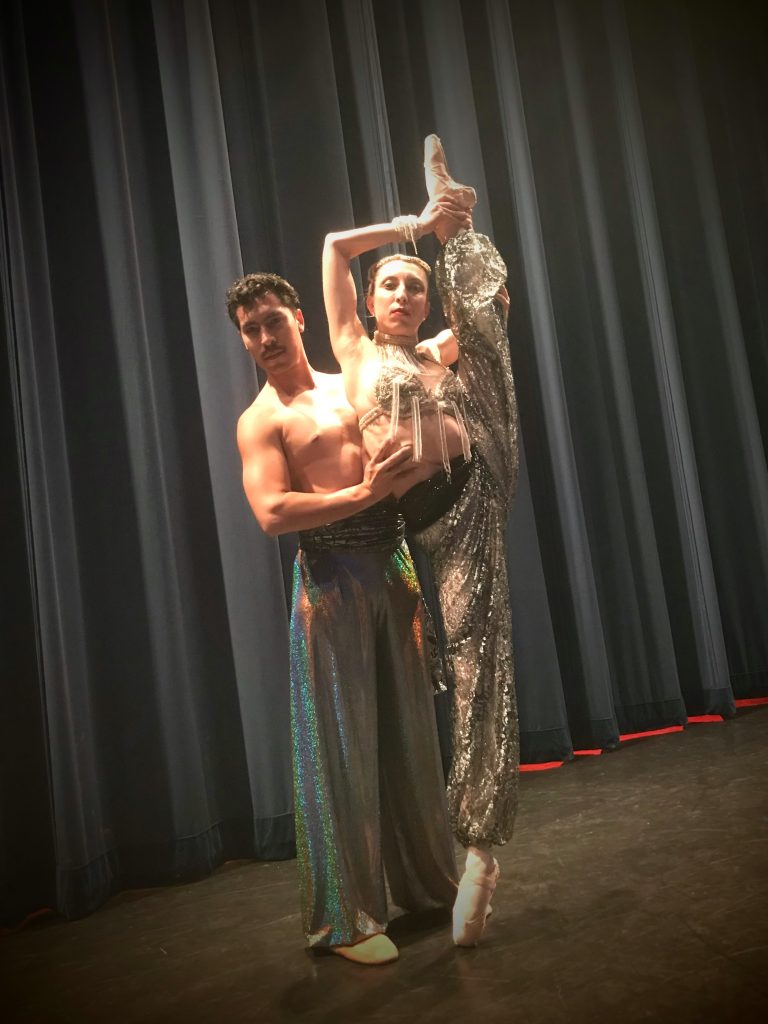
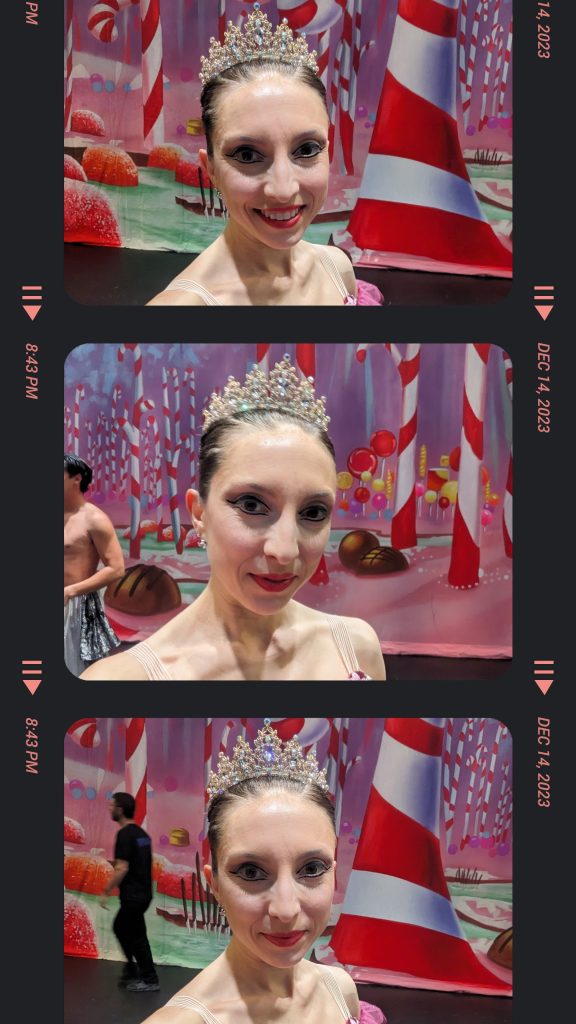
This was a beautiful introduction to ballet and live theater. One I’ll never forget and one that comes to mind often as I have taken the stage over the years to dance in The Nutcracker. This quintessential holiday performance is synonymous with Christmas, inextricably linked together forever with this time of year. I’ve danced in every role over the years except for a few reserved for small children. From the boisterous mouse (a personal favorite!) to the Sugarplum Fairy, I always remember the responsibility of being an ambassador of dance to the seasonal audience. For many it is the only dance performance they have ever seen.
As a synesthete I have always been sensitive to loud noises, bright lights and extreme motion. My personal nightmare as a child was a rollercoaster -specifically the Indiana Jones ride at Disneyland which shocked me with such intense fear and possible trauma that I left the ride shaking at age 8. I didn’t truly understand my reaction to the stimulus until I discovered my synesthesia in adulthood. As a kid, going to movie theaters was also a challenge. With the overwhelming sound system and assaulting visuals starting with the opening previews which I hated deeply. I remember crying in the bathroom during the Lion King, not knowing why I was reacting with such intensity. Earplugs became my saving grace as I got older and now as an adult I compensate with them as needed while my sensitivities have also become manageable over time.
One aspect that I acknowledge as a performer is the sensitivities of our neurodiverse community and how as an audience member the experience can be ruined by overwhelming sound and visuals. “Sensory friendly” shows are beginning to become normalized in the performing arts. These performances are formatted with a neurodivergent audience in mind. They can include dimmer stage lighting, softer music and the opportunity for viewers to stand up or use fidget spinners as necessary. Many ballet companies across the country are adapting one or more shows in their season to sensory friendly versions. By doing so they are making a welcome space for so many people who have found it difficult or impossible to enjoy the art form. These performances represent a welcome trend toward inclusion and it is one that I hope to see more of in the years to come.
As I reflect on my career of Nucrackers this holiday season I am especially proud of the dance world for stepping up and providing space for those with sense differences. Everyone deserves the chance to experience the arts and I’m excited to see where these types of shows will expand to and how many more lives can be changed, just like mine was all those years ago when I first saw The Nutcracker.