"NOT TO BE SENSELESS 3"
A collaboration with iii and Journey Through The Senses, ‘Not to be Senseless” is a stage for neurodivergent art; with people and pieces that experience and explore neurodivergencies such as synaesthesia, savantism and autism. The evening opens up new perspectives by recognising differences in how we sense the world.
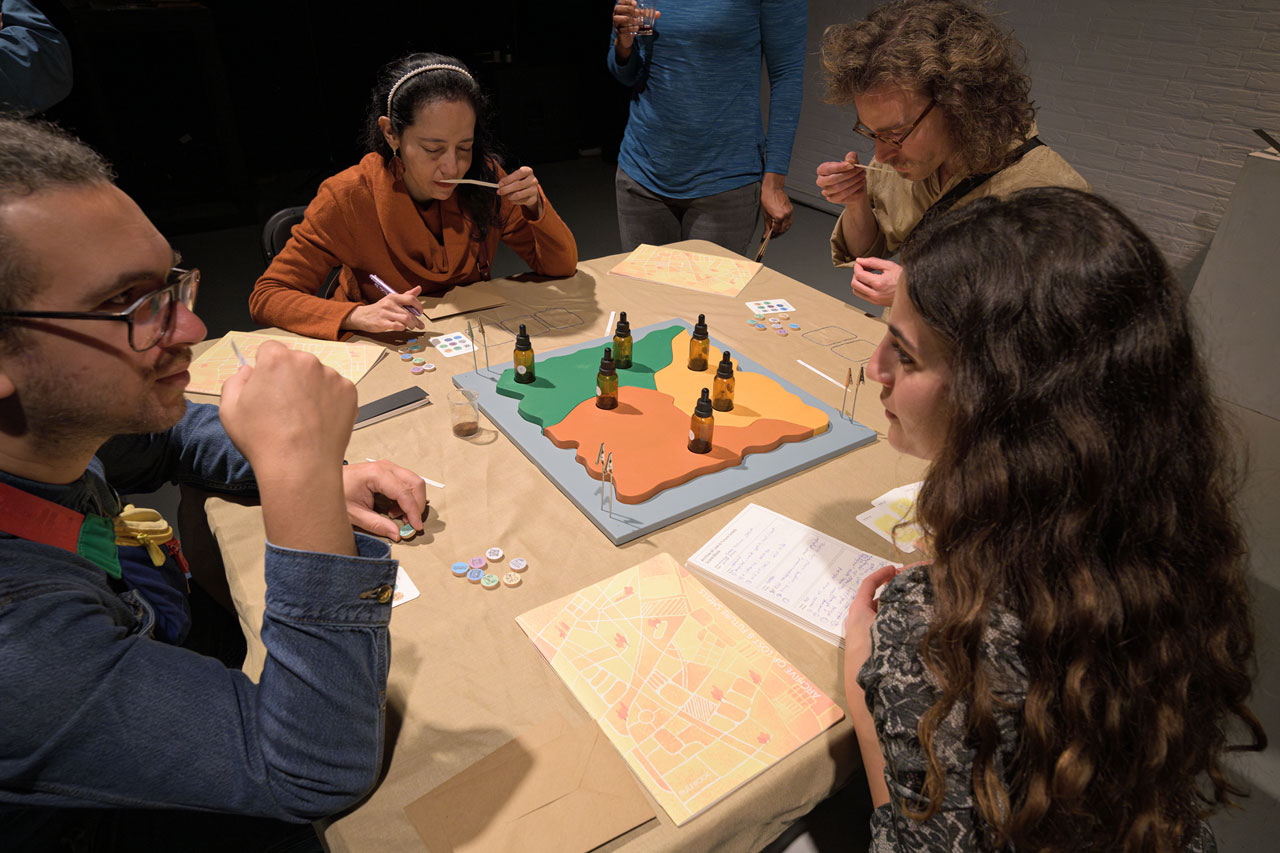
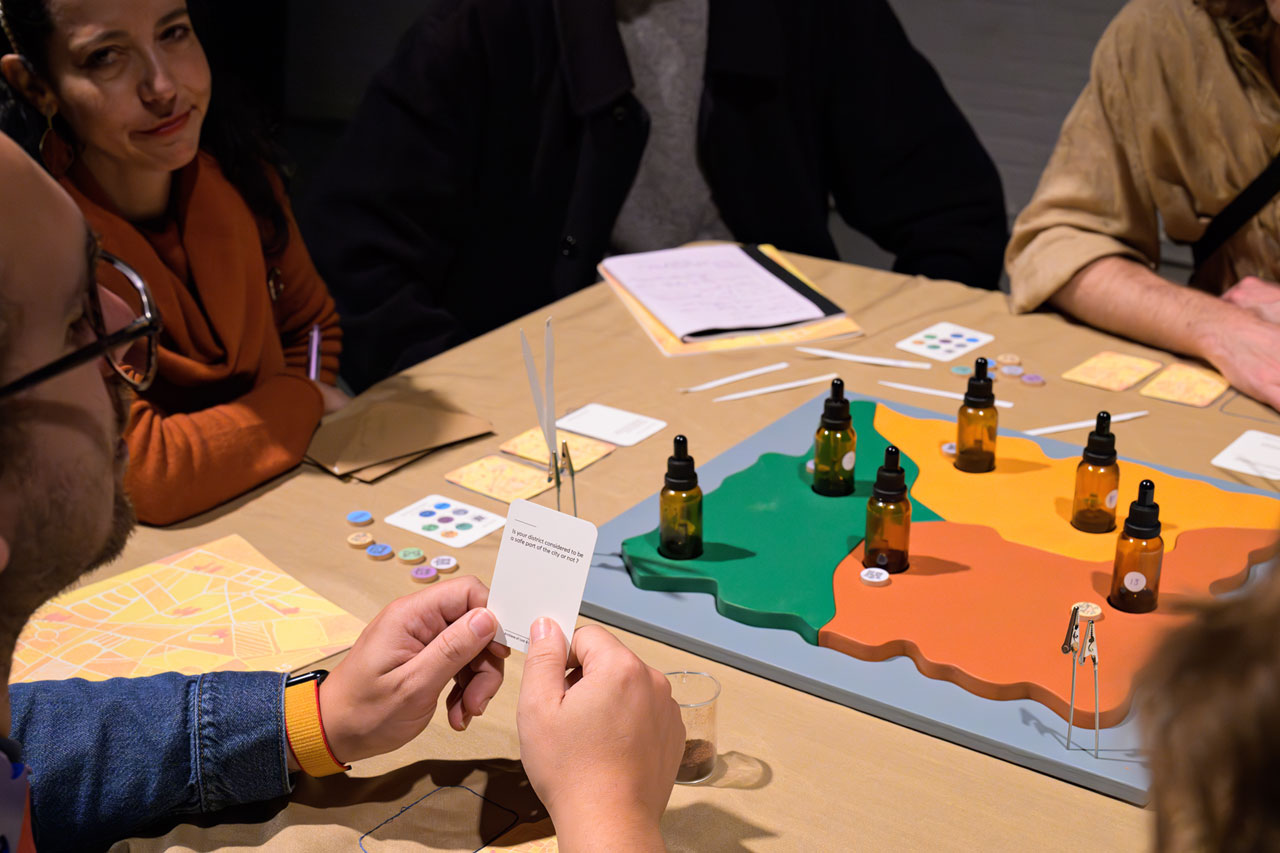
To echo the different worlds of the neurodivergent, this edition of the event will focus on the sensorial experience of scent/smell. Yolanda Uriz will help you explore the synesthetic experience between sound and the olfactory. Cemre Kara will take you on an immersive olfactory participative game through the city of Maastricht. Renske van Vroonhoven will connect the dots between the/her neurodivergent experience with smell and the artworks of the evening.
Society is still restricted in its knowledge and acceptance of neurodivergence, with neurodivergent people often being seen as difficult. This makes it important to create a moment where neurodivergence gets a place to be seen and respected and that neurodivergence is a strength that shows us our world in a different light.
Yolanda Uriz
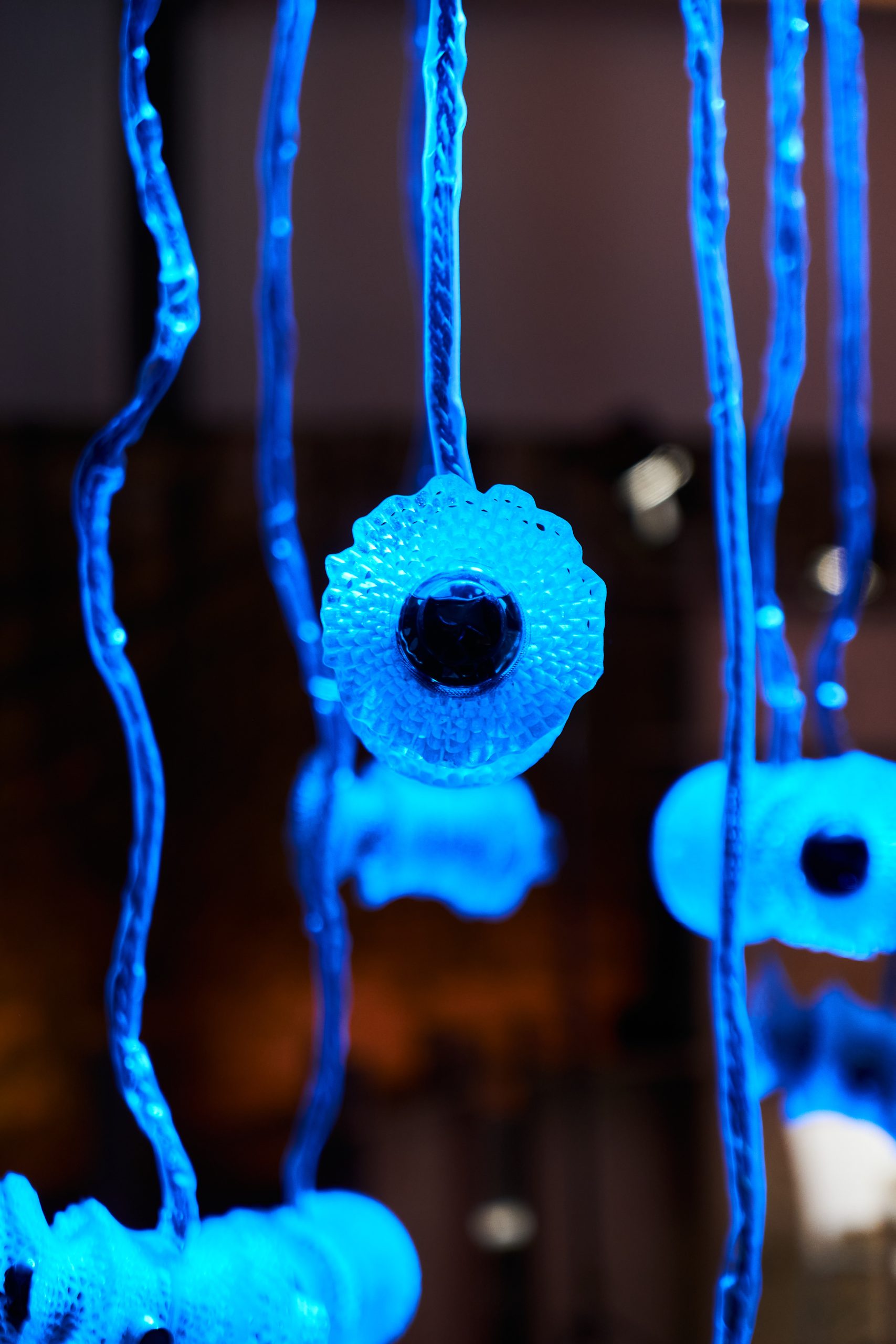
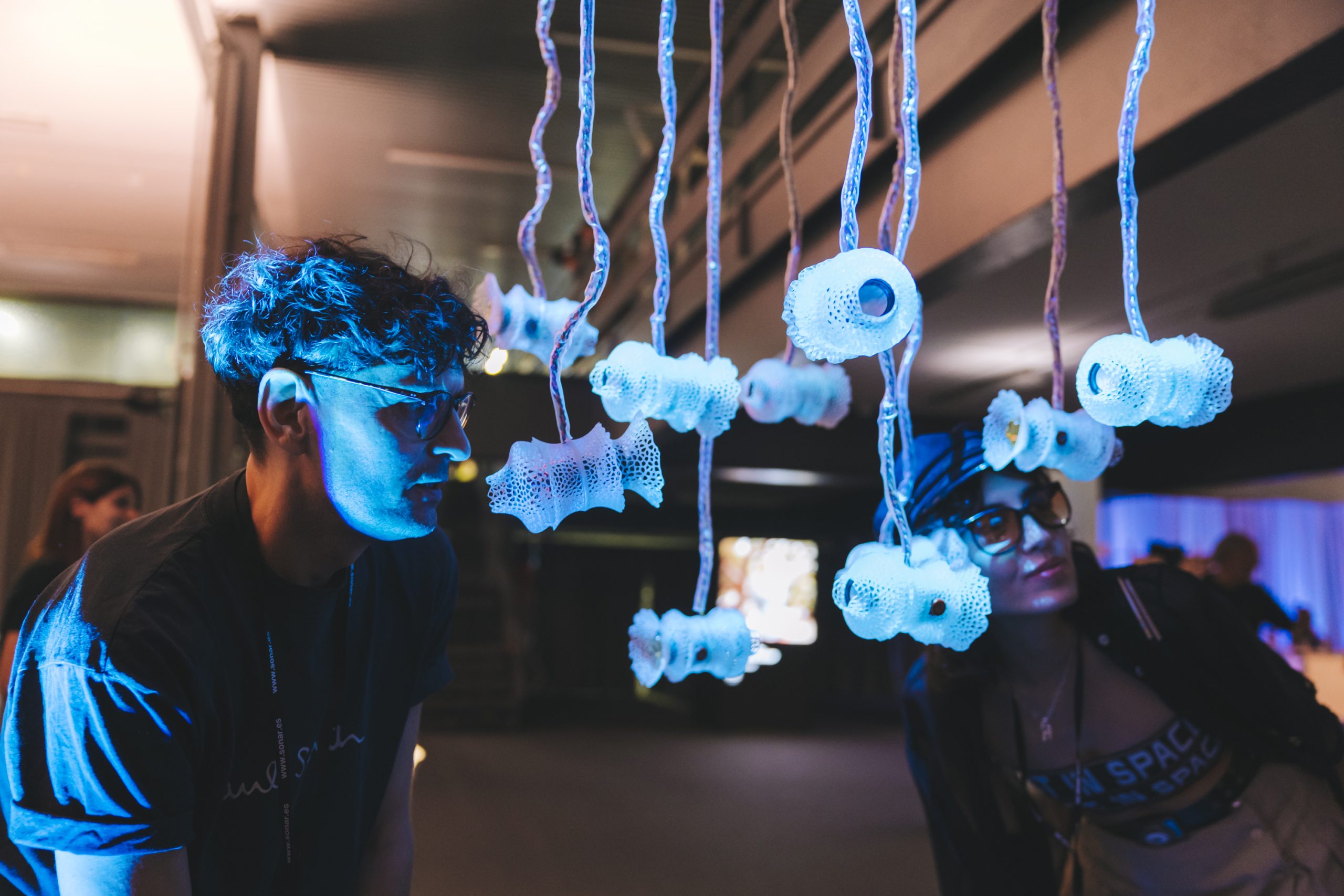
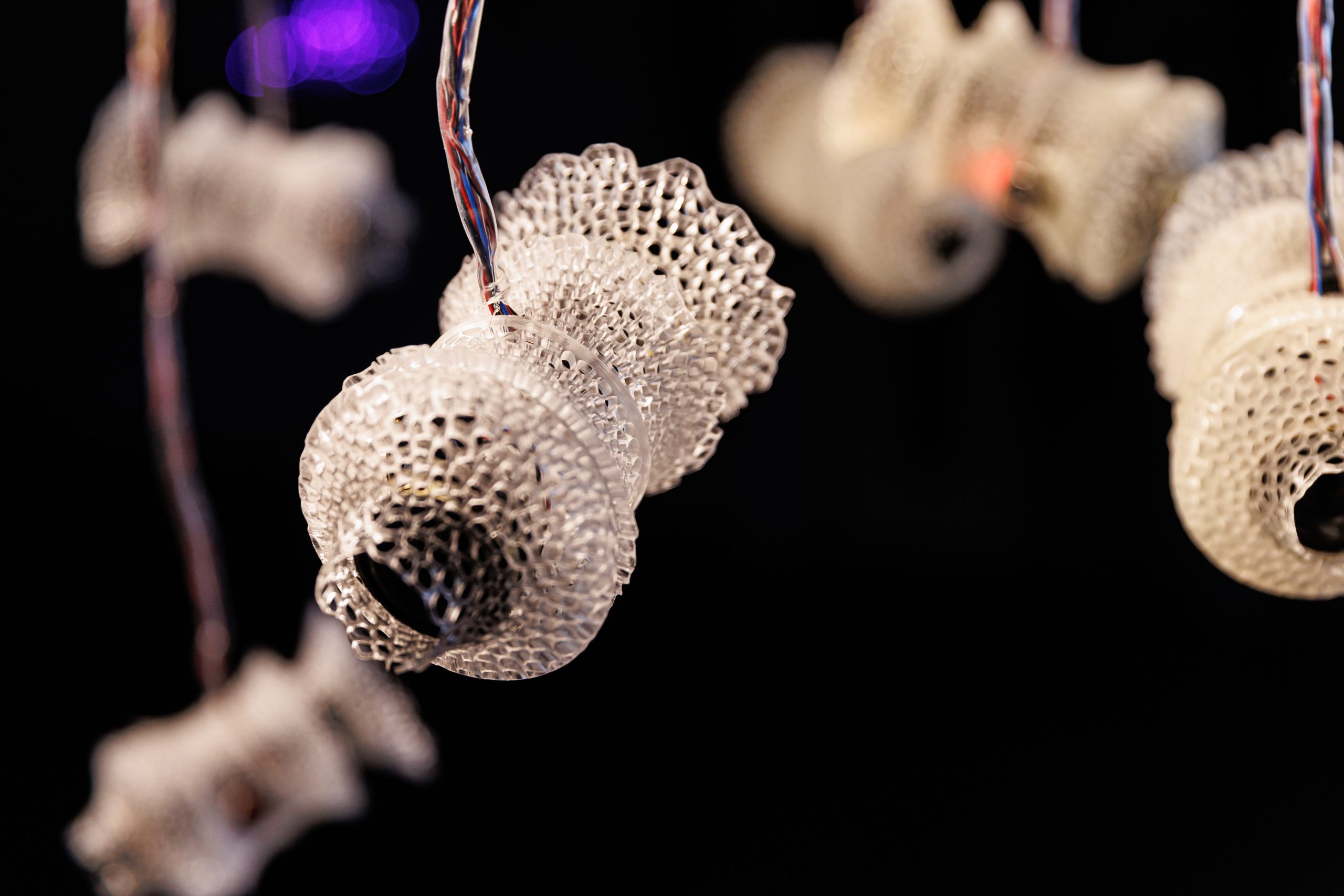
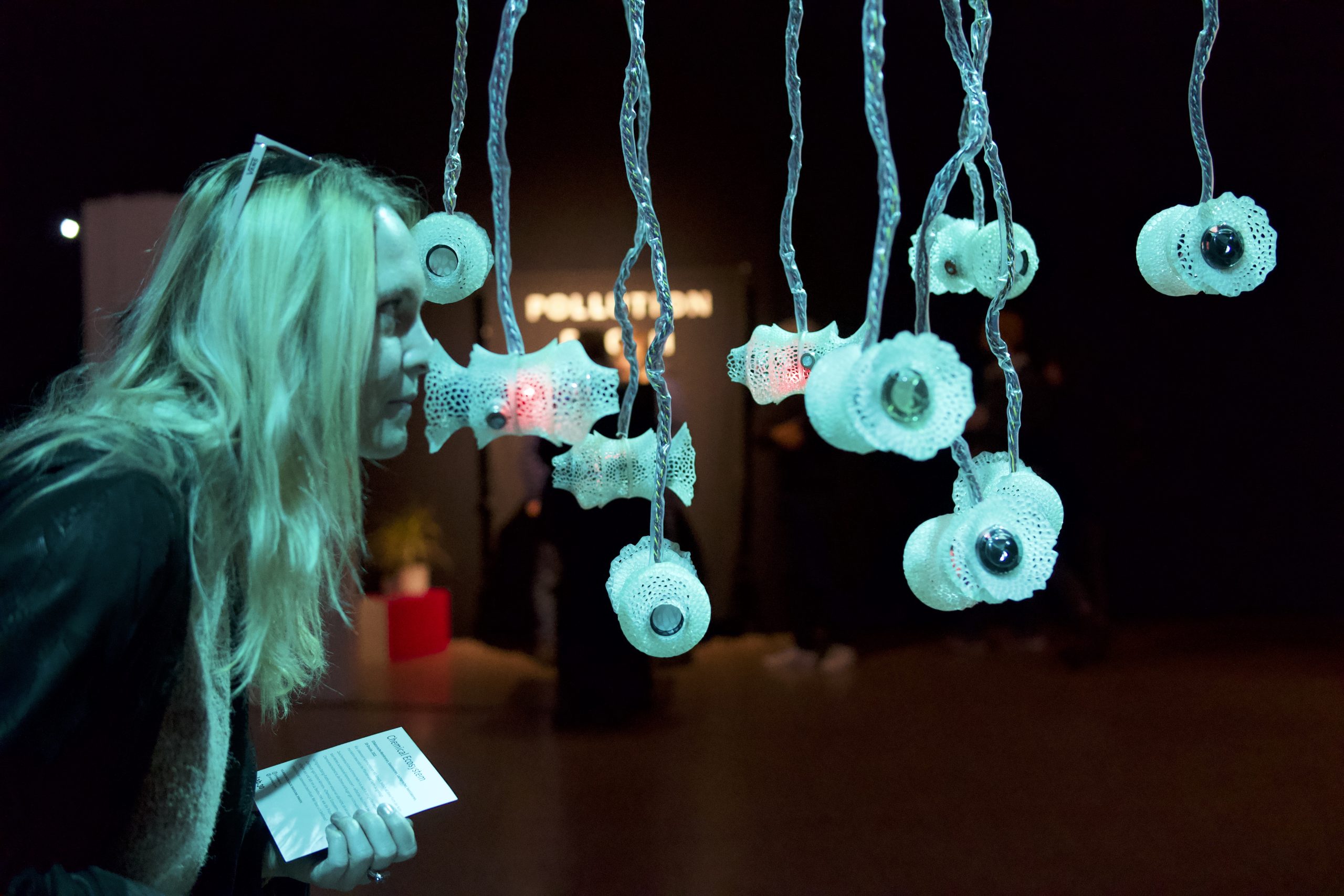
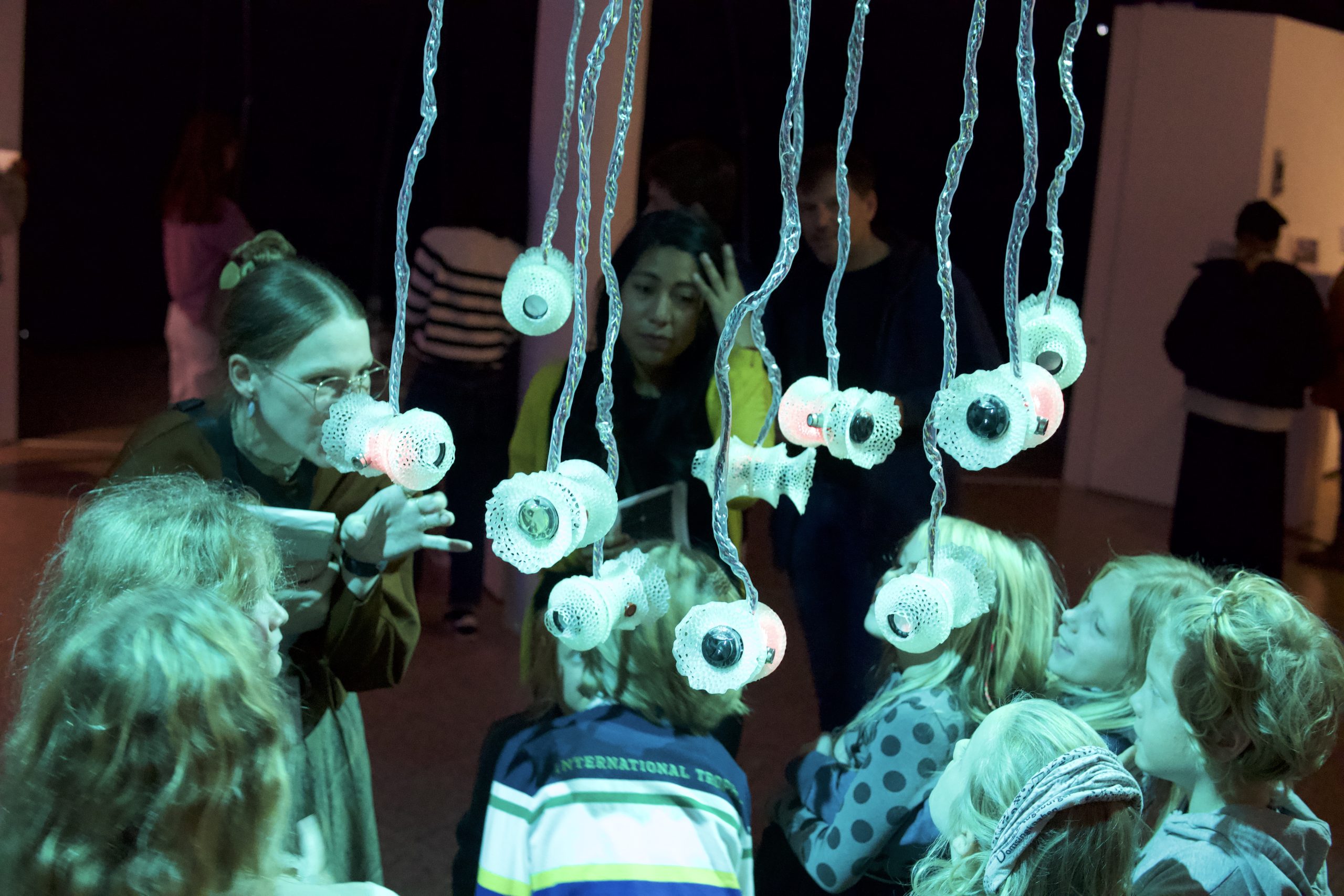
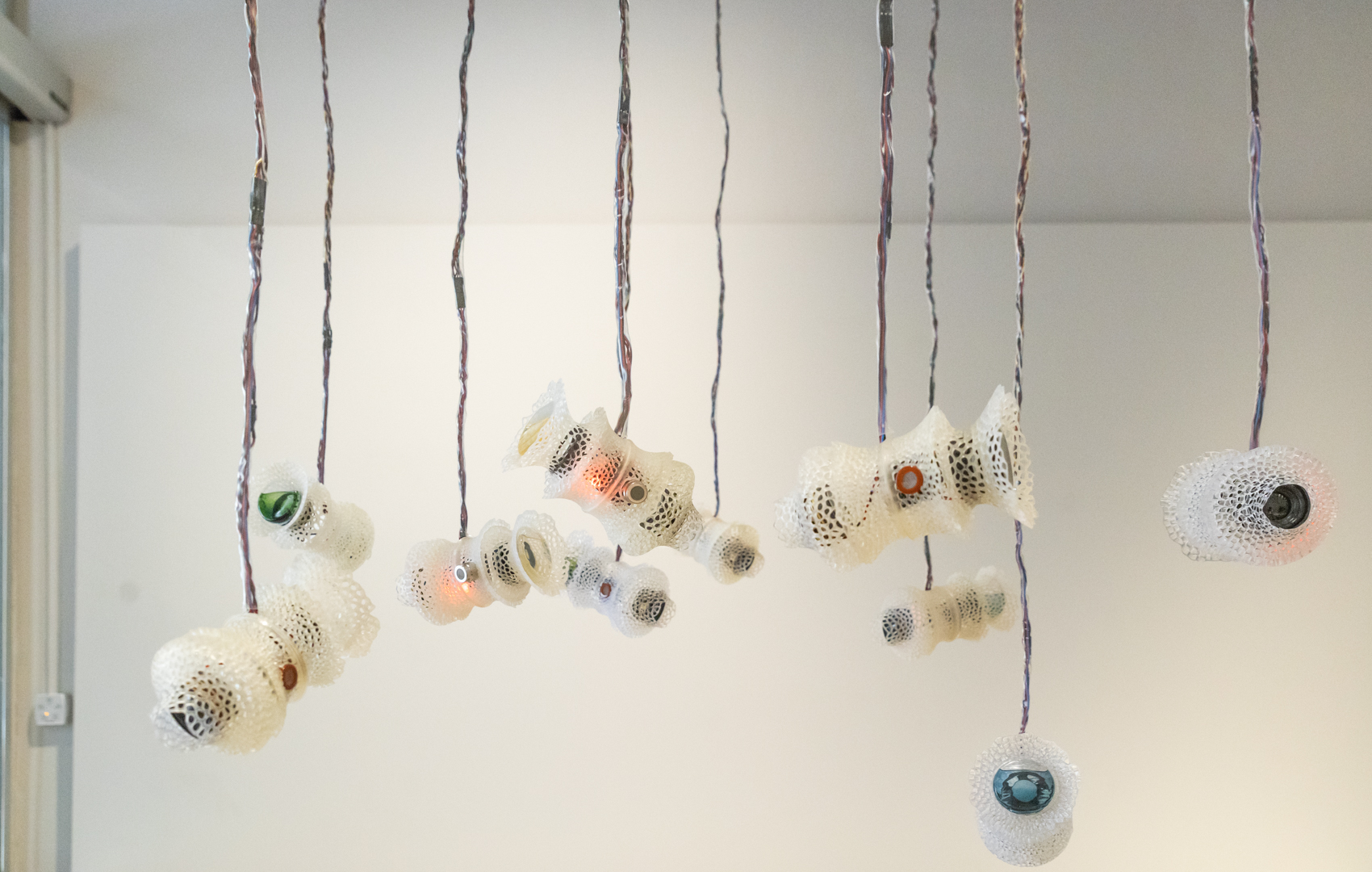
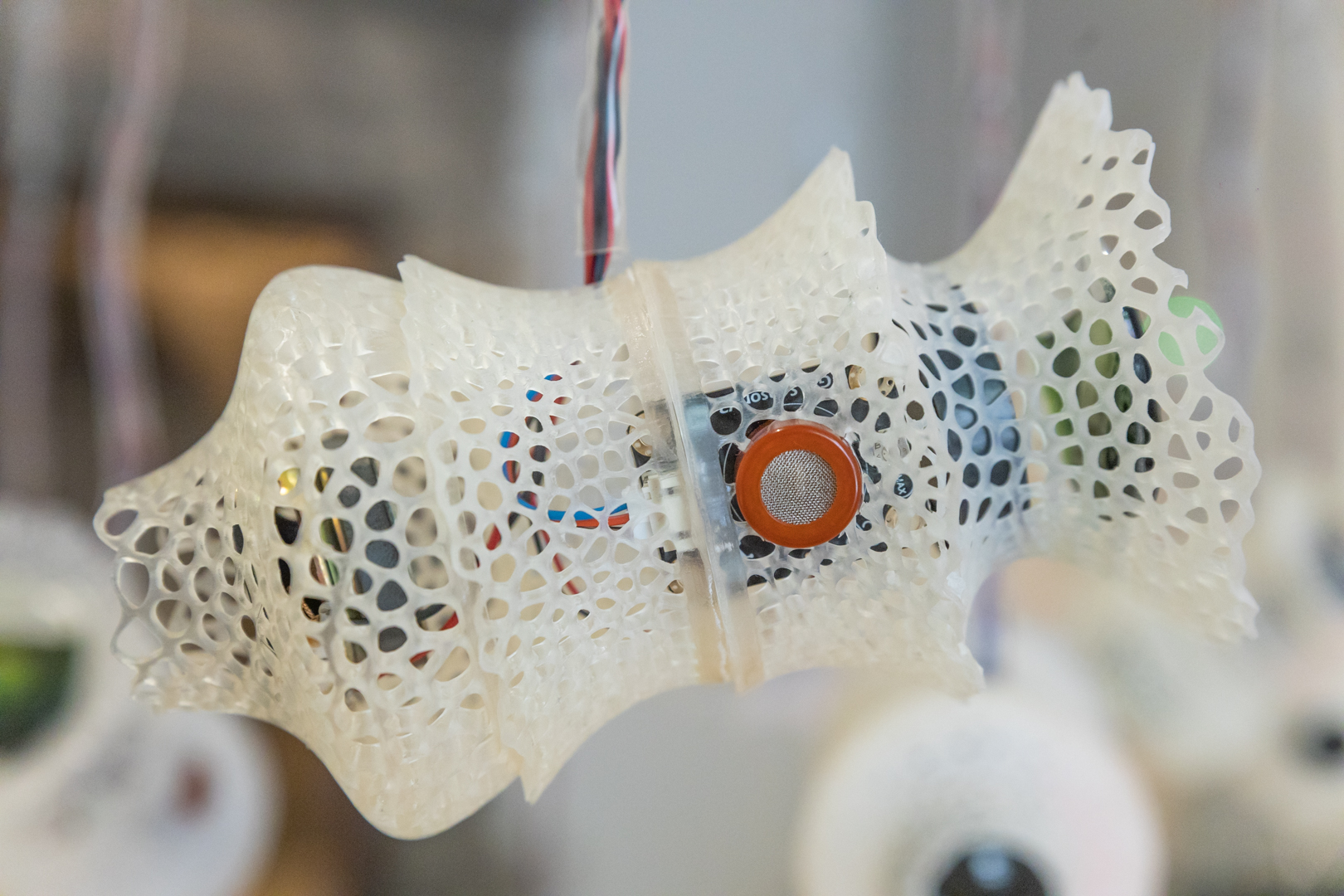
Yolanda Uriz was formed at the ArtScience department of the KABK in The Netherlands, where she developed a passion for merging science and art through perception. She loves experimenting with physical phenomena, vibration, electromagnetic waves, or chemical molecules we decode as sound, light, or smells, and transforming them to create multi-sensory immersive experiences.
With a particular interest in the proximity senses (smell, taste, and touch), she concentrates her research on the synesthetic connections between sound and smell.
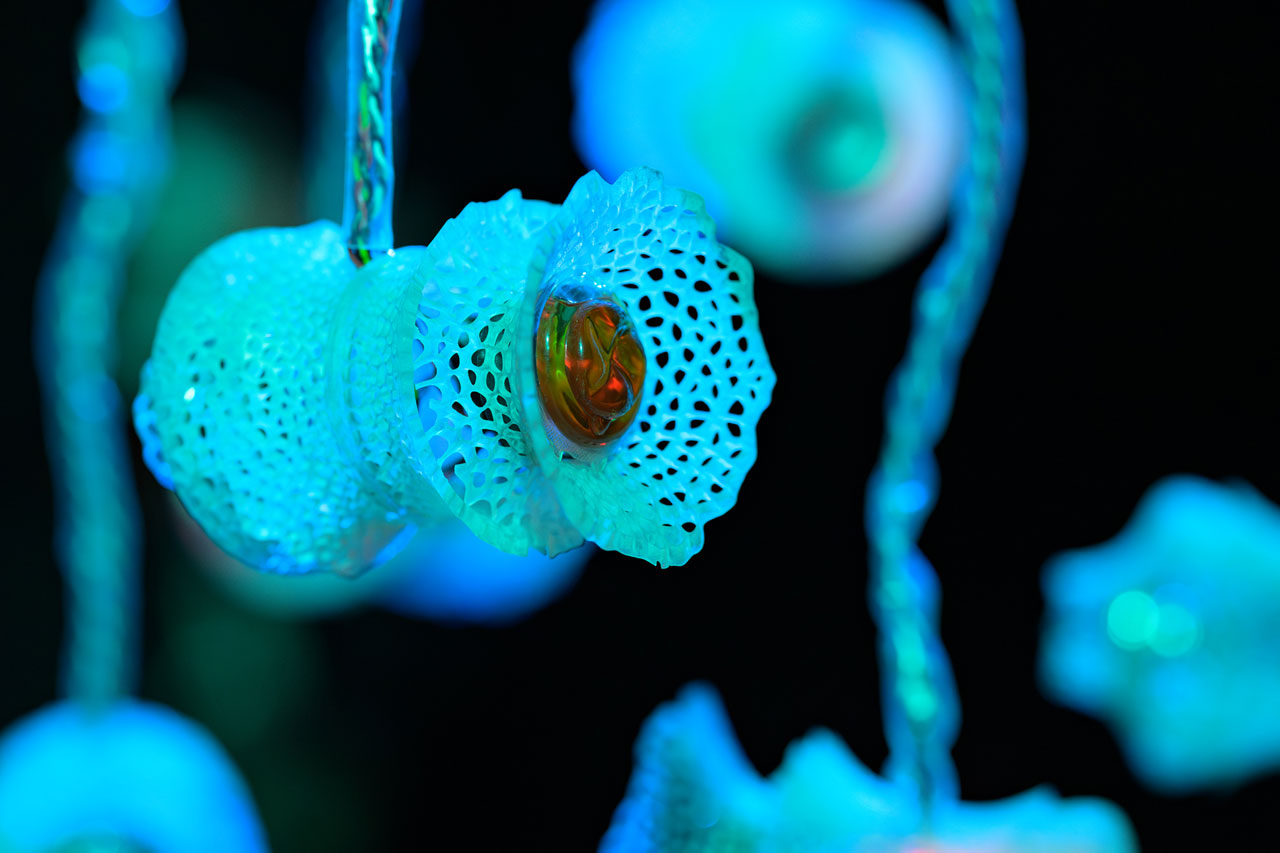
Chemical Ecosystem
(2022) reflects on the function of smell today, drawing inspiration from inter-species olfactory communication. It invites the public to observe how its presence influences the environment and affects the beings that inhabit it, listening to the olfactory messages that these inhabitants emit.
Cemre Kara
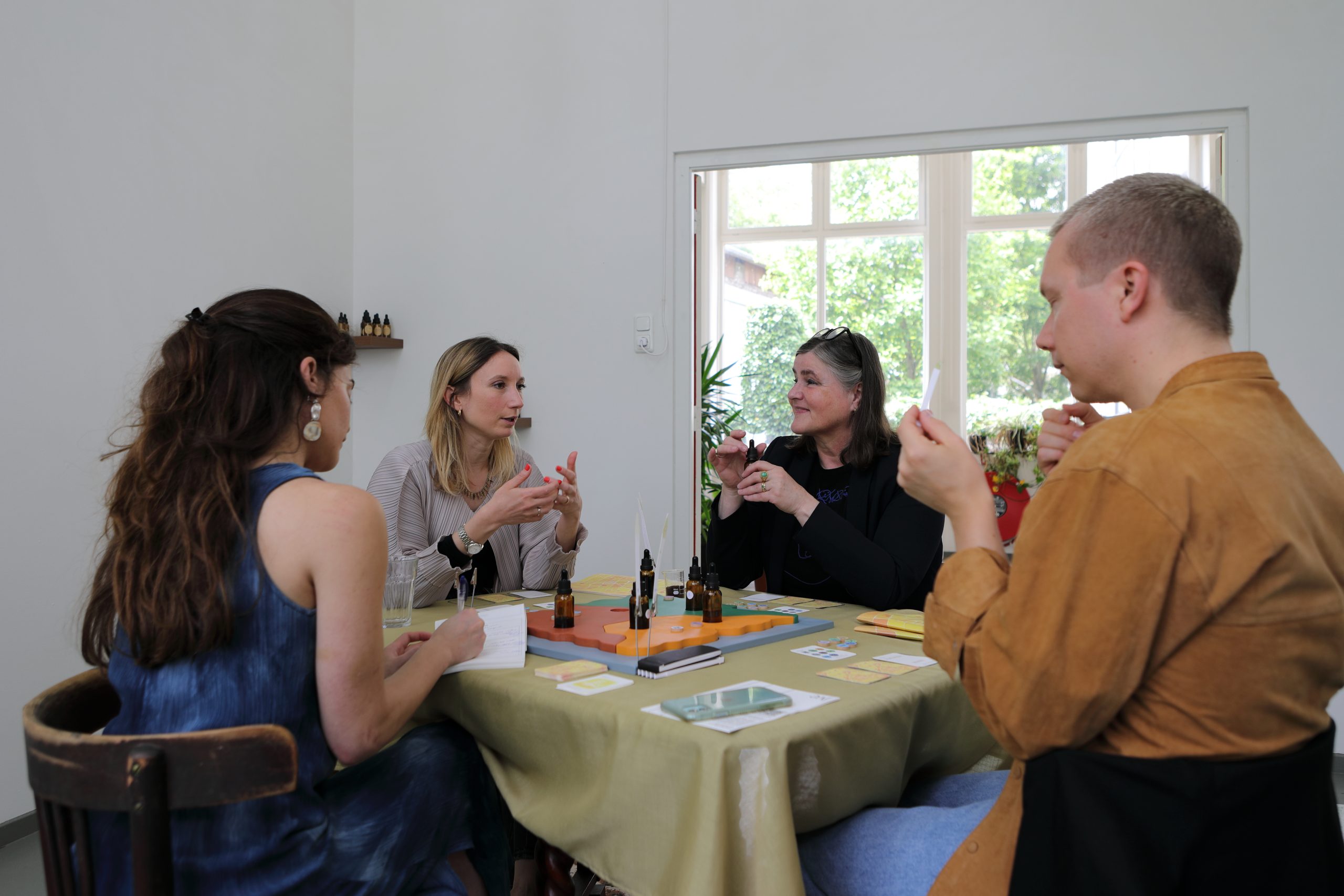
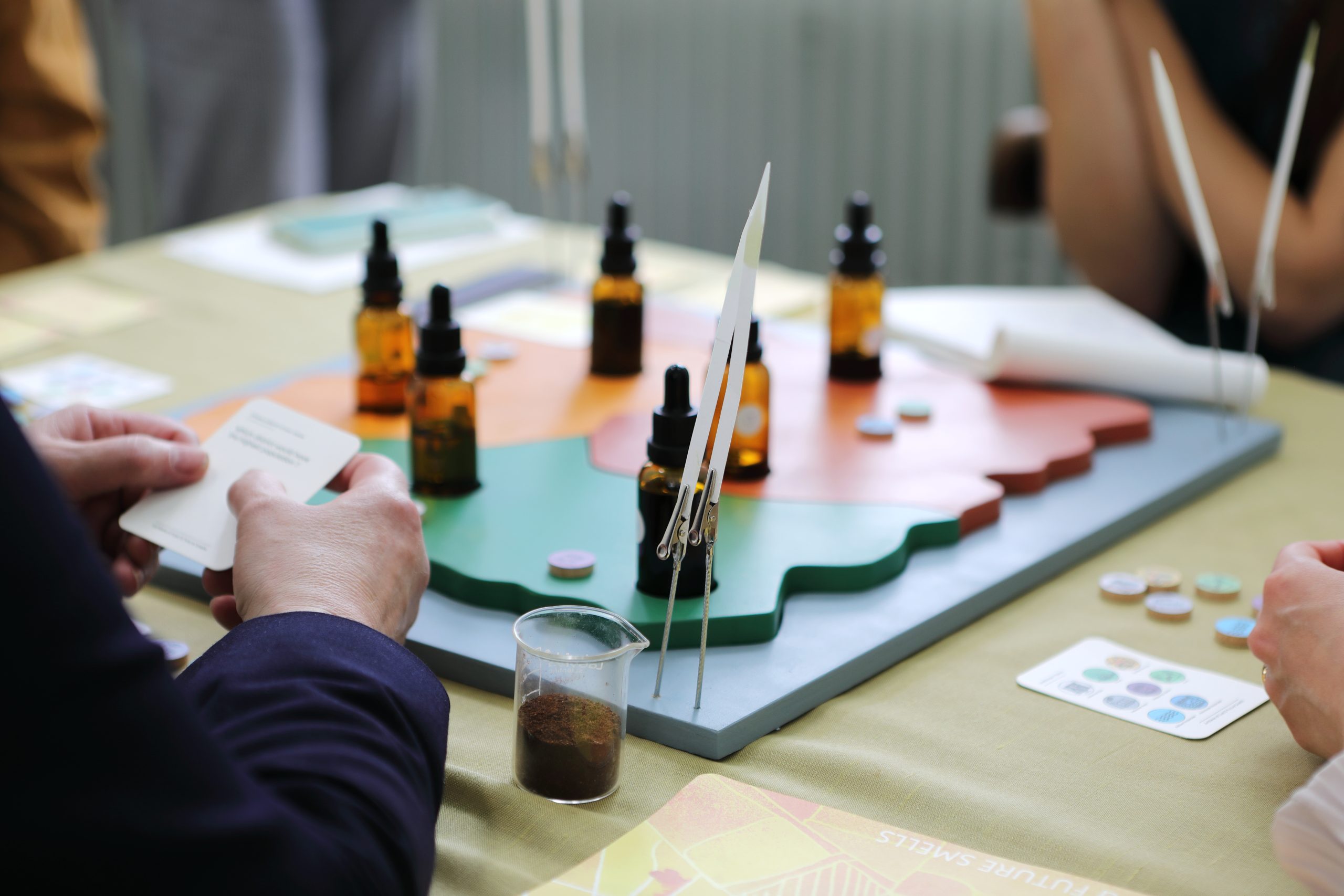
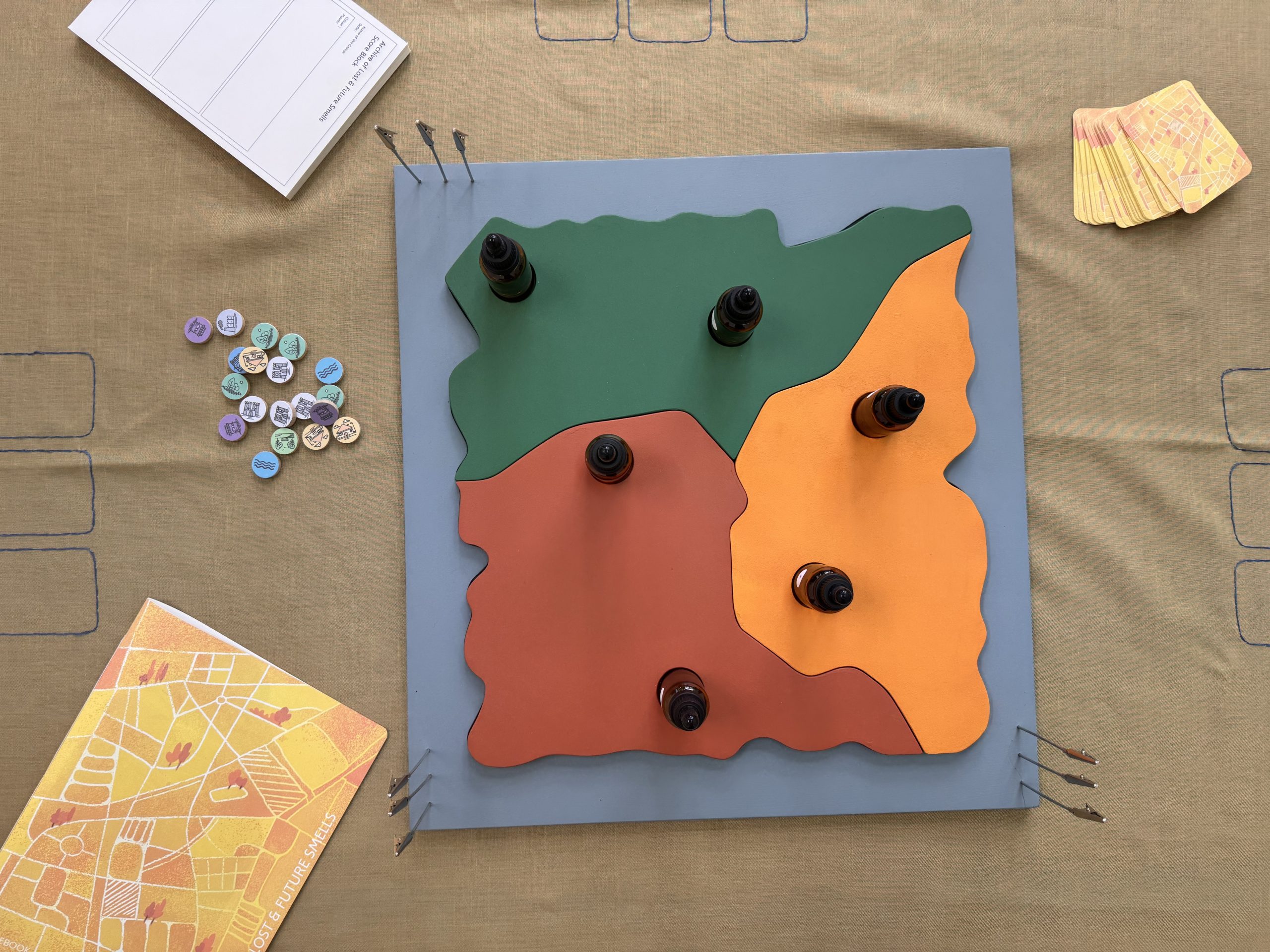
Cemre Kara graduated from the ArtScience Bachelor’s programme at KABK in The Hague, Netherlands. Kara’s artistic practice spans various mediums, including live performances, sensory experiences, and food design.
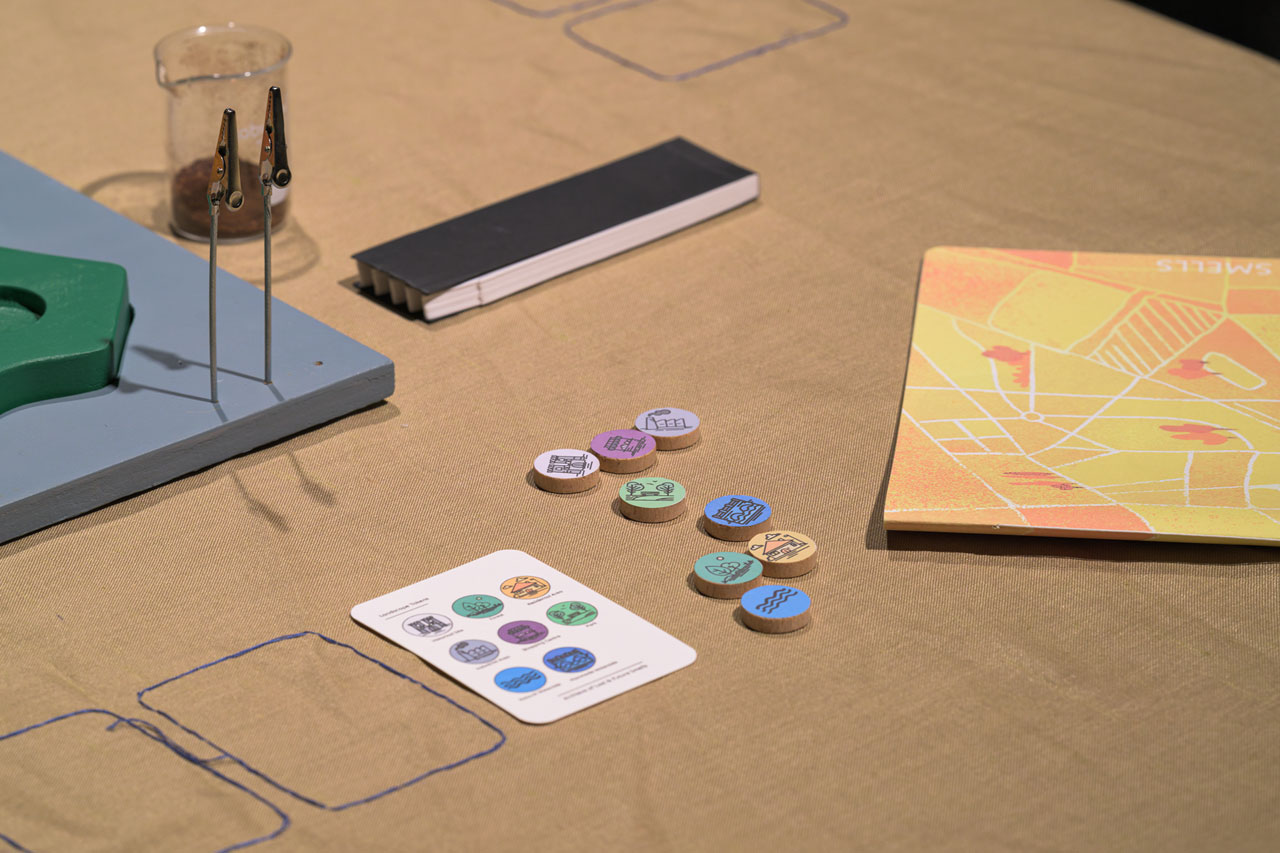
Archive of Lost & Future Smells
Nowadays, residential areas face threats from both human actions and natural forces. Our city infrastructures and urban lifestyles are undergoing significant cehanges to maintain stability despite climate change. “Archive of Lost and Future Smlls” examines the complexities of the climate crisis and the increasing demands it places on our cities through the evolution of scent. Kara focuses on different communities’ sensory perceptions of the built environment, creating both a present and speculative olfactory archive that imagines the smells of yesterday, today, and tomorrow.
Renske van Vroonhoven
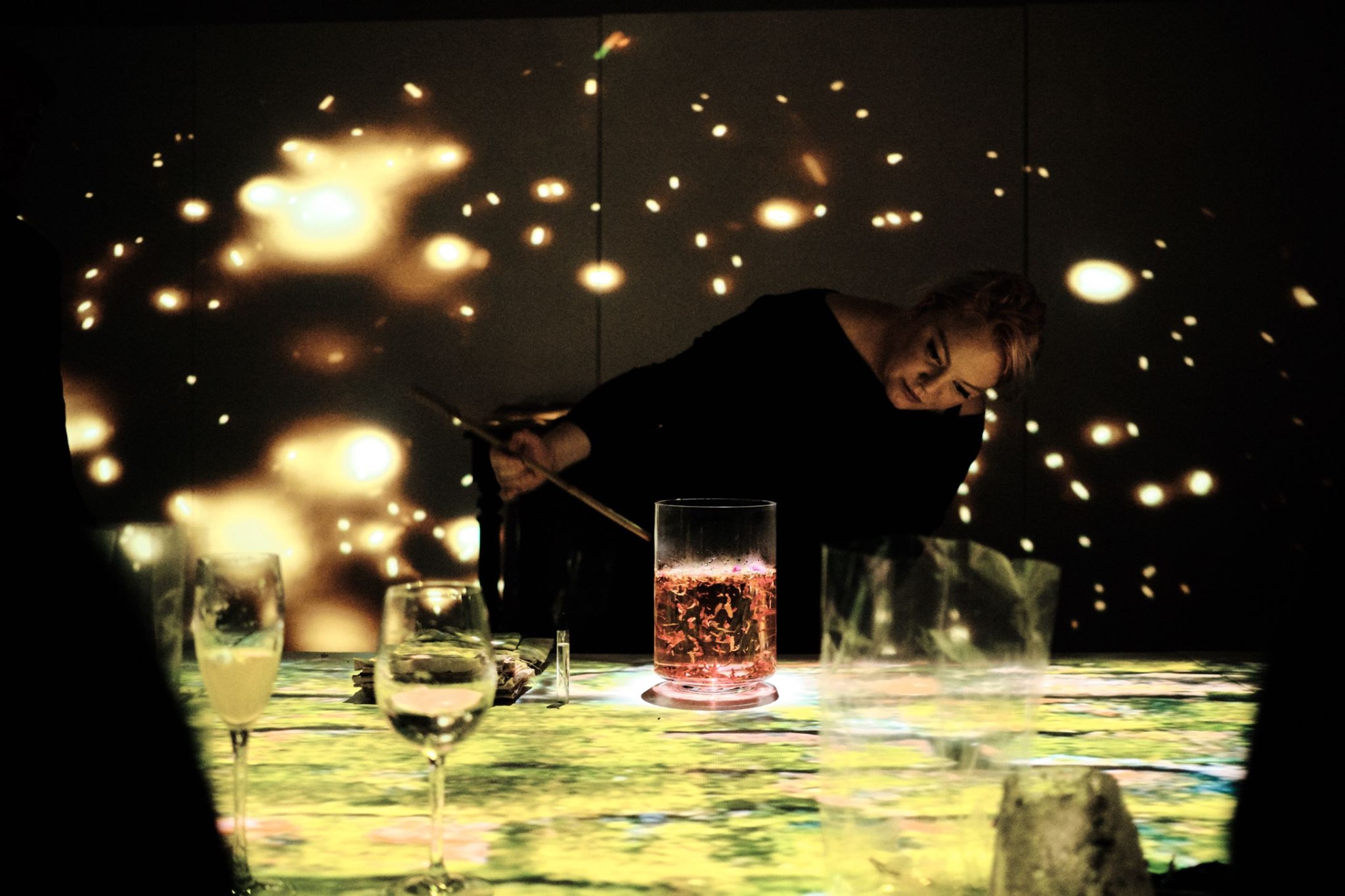
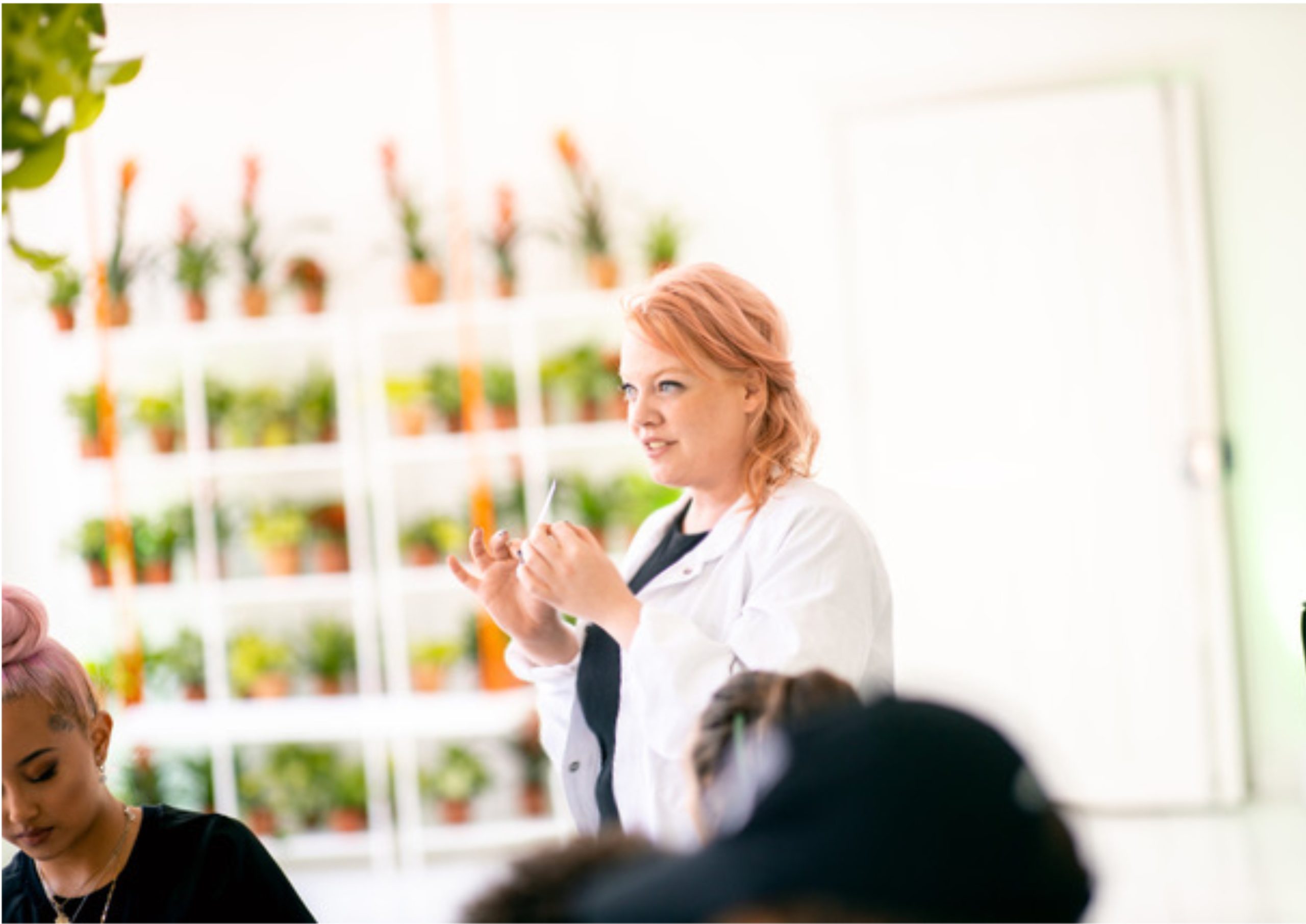
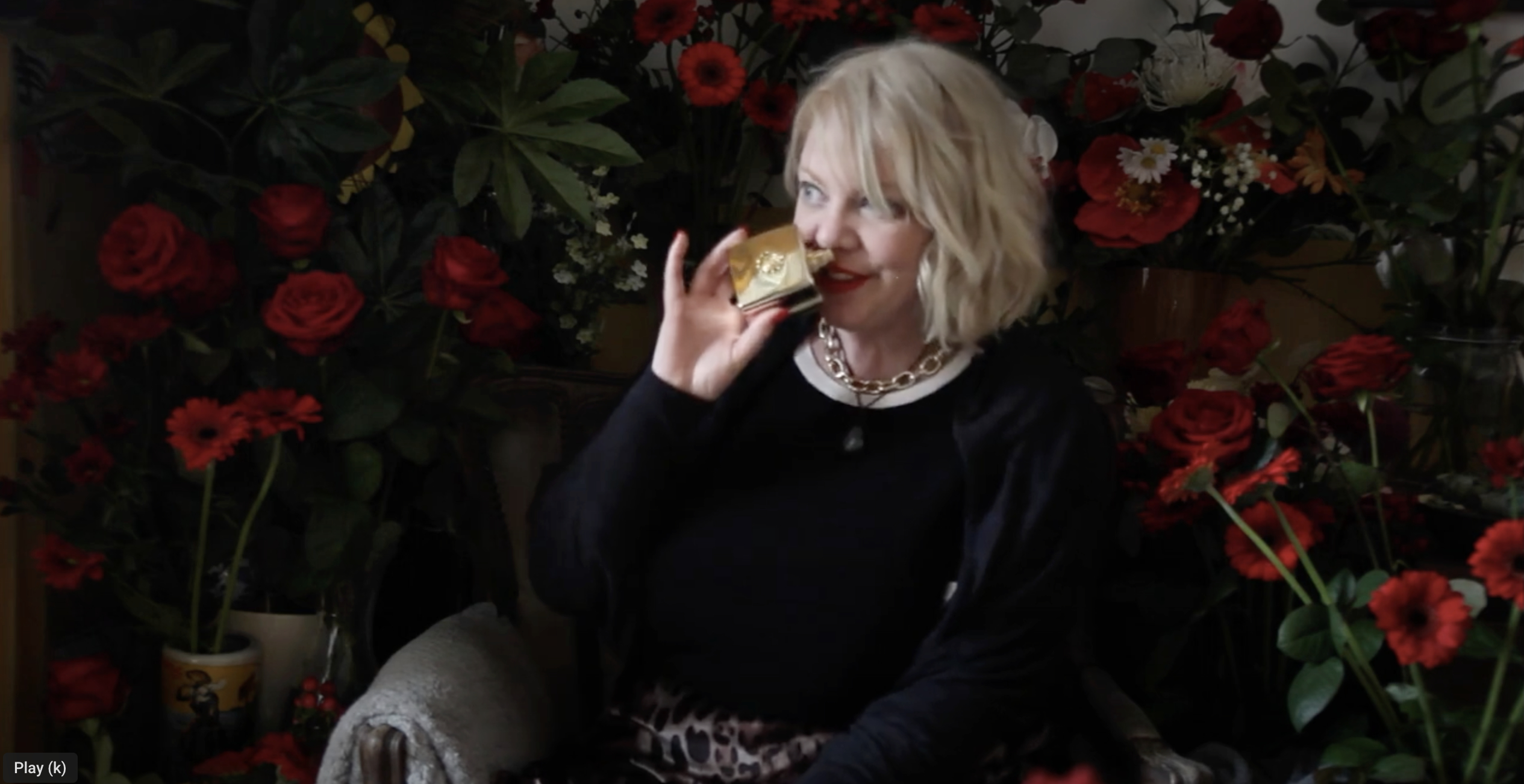
Renske van Vroonhoven is a perfumer, artist, teacher, and researcher with a decade of experience in experimental perfumery. She is passionate about helping people uncover the beauty and mysteries of scents, aiming to revolutionize how we enjoy, experience, and apply fragrances to enhance our lives.
Originally trained in Fine Arts and Photographic Design, she pursued perfumery in 2014. She has contributed to many interdisciplinary projects, with two nominated for Art and Olfaction Awards (2020, 2022). She holds diplomas from the University of Cambridge, where she studied the subject of scent in multidisciplinary application, and teaches at the Royal Academy of Arts in The Hague and other institutions worldwide.
Renske is our speaker of the evening, in her talk she will talk about olfactory experiences and why smell is so important to our day-to-day life. Smell has a daily impact on our lives and has had a big impact on her life. As she is currently busy with her diagnosis for autism she will also explain why smell has been such an important factor for her in her life seen from a neurodivergent perspective. She will use the artworks shown tonight as support for her talk.
Pictures from the event
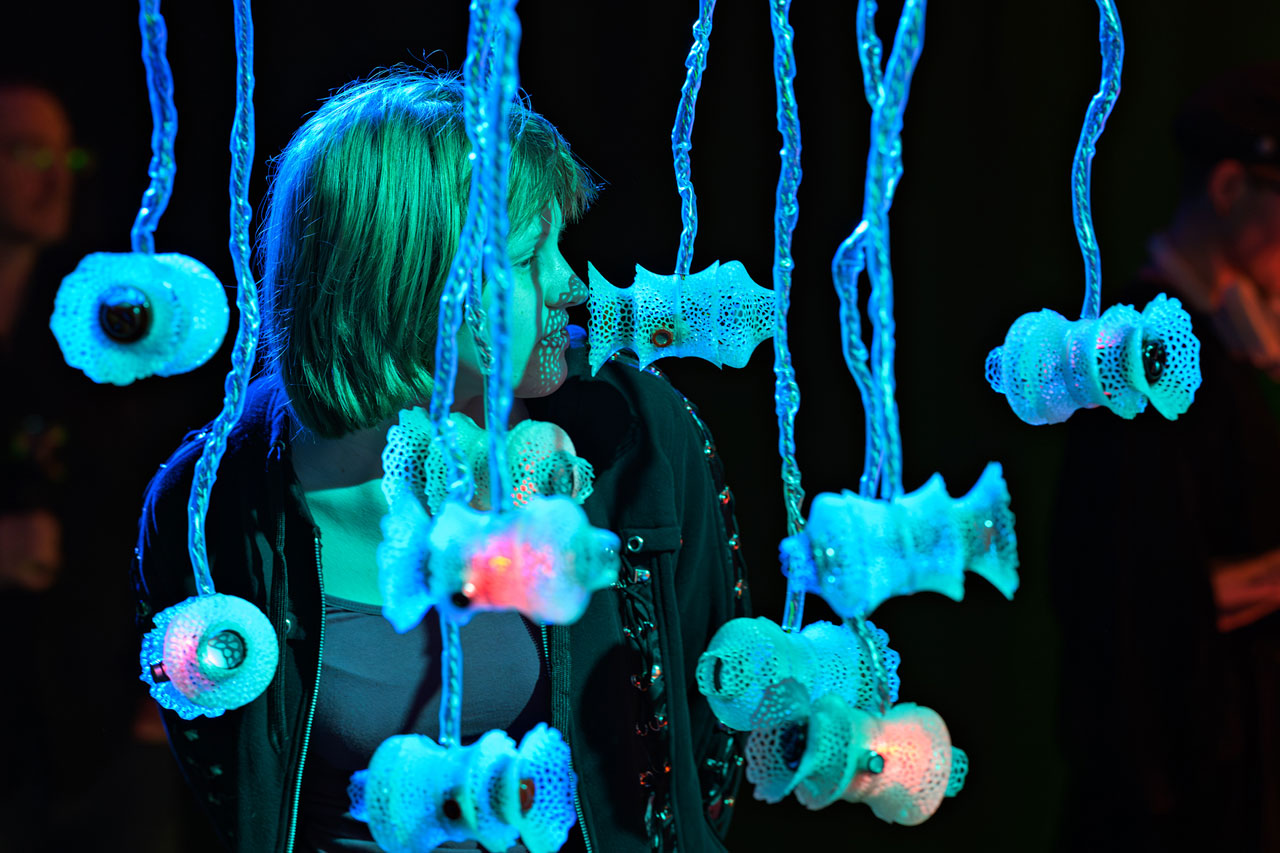
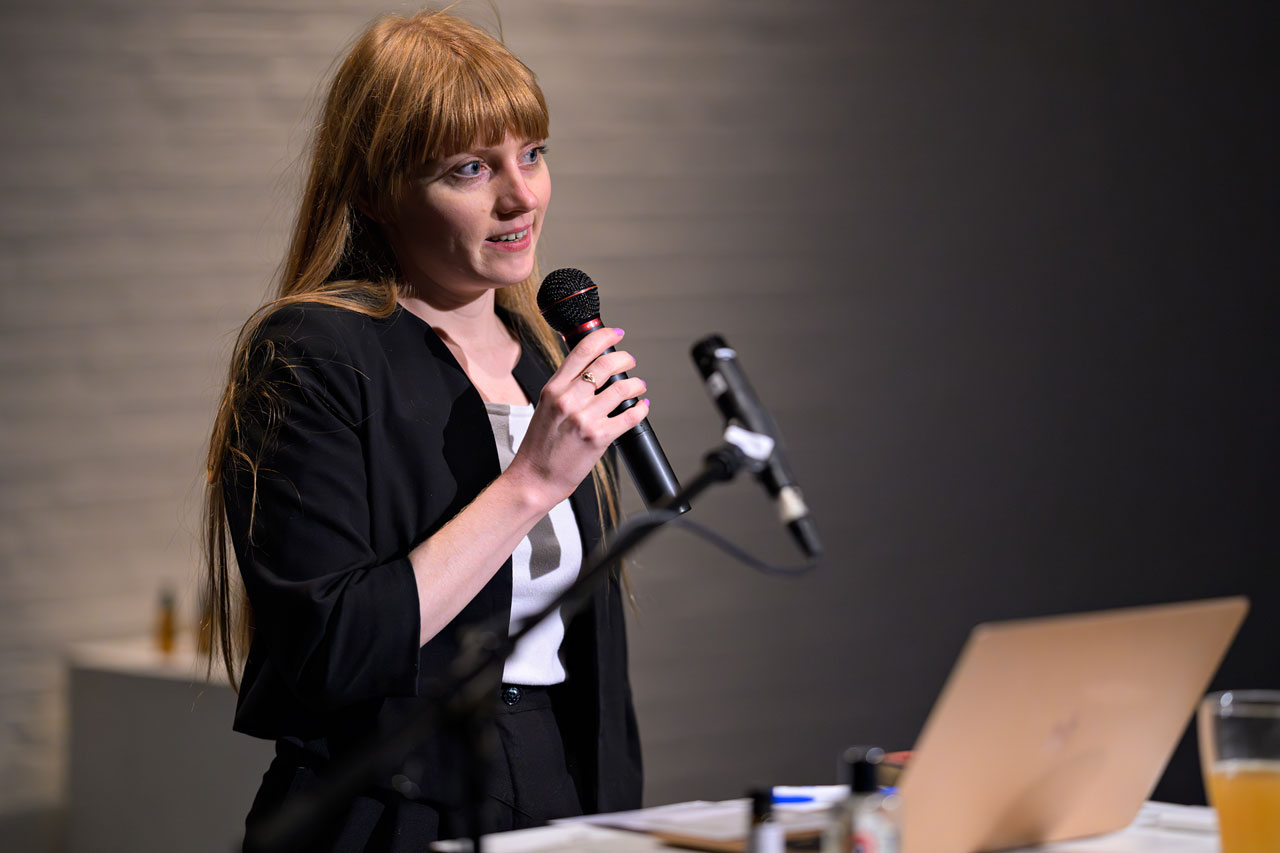
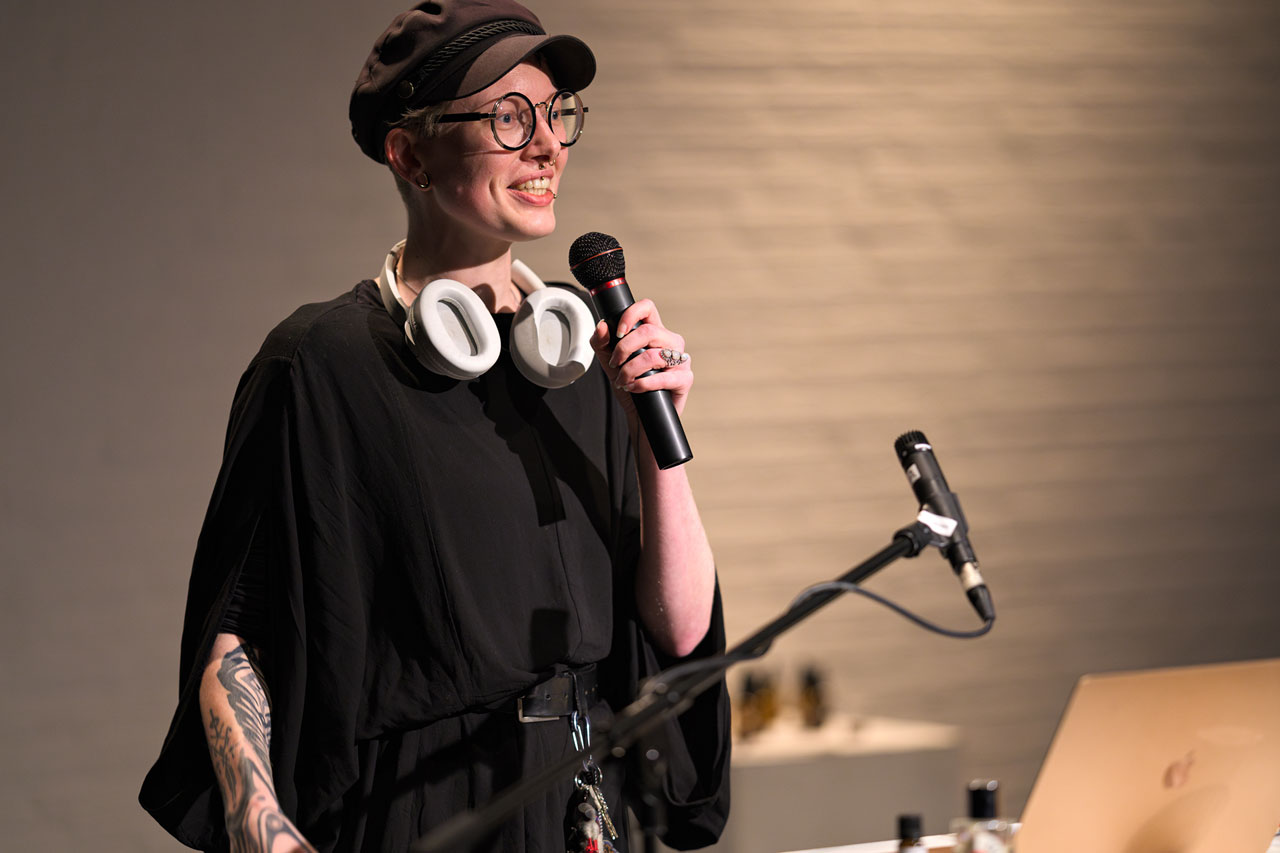
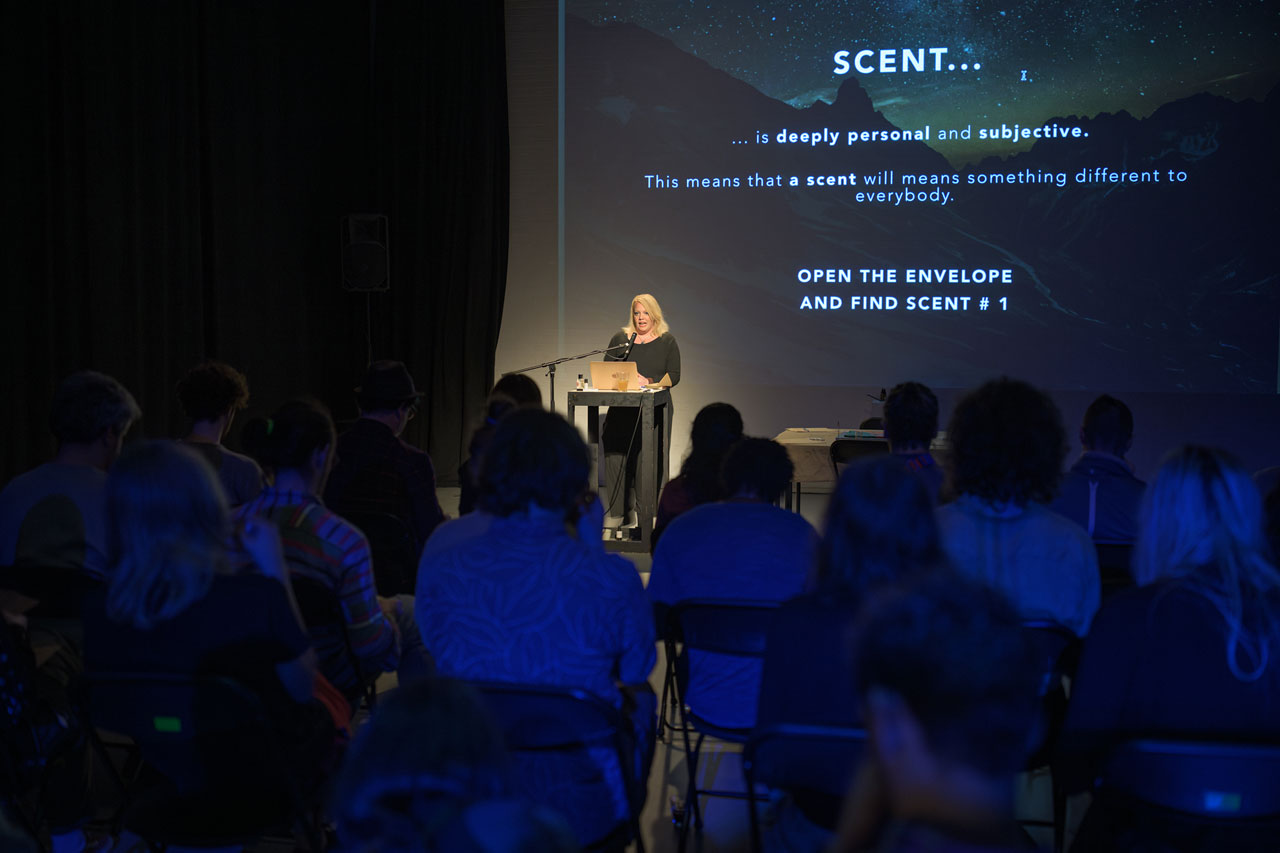
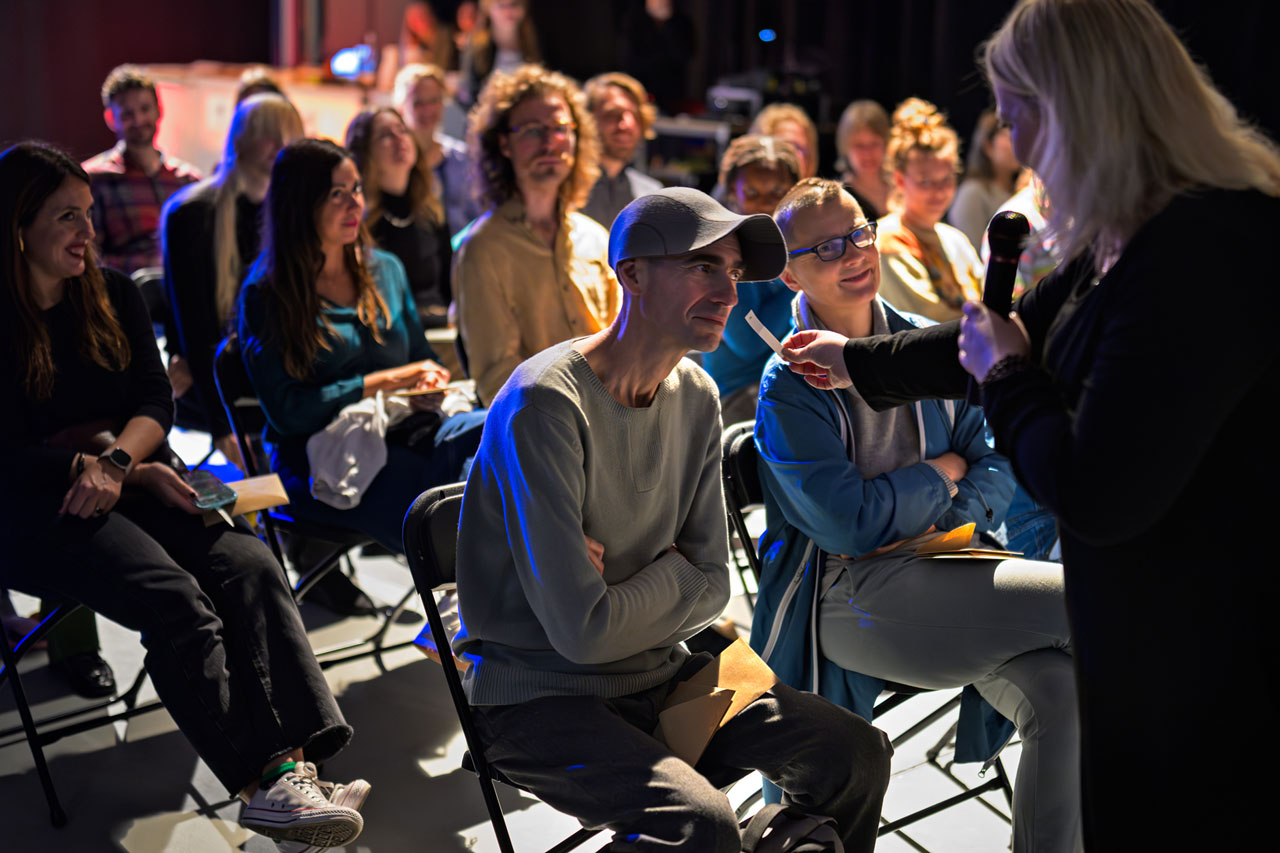
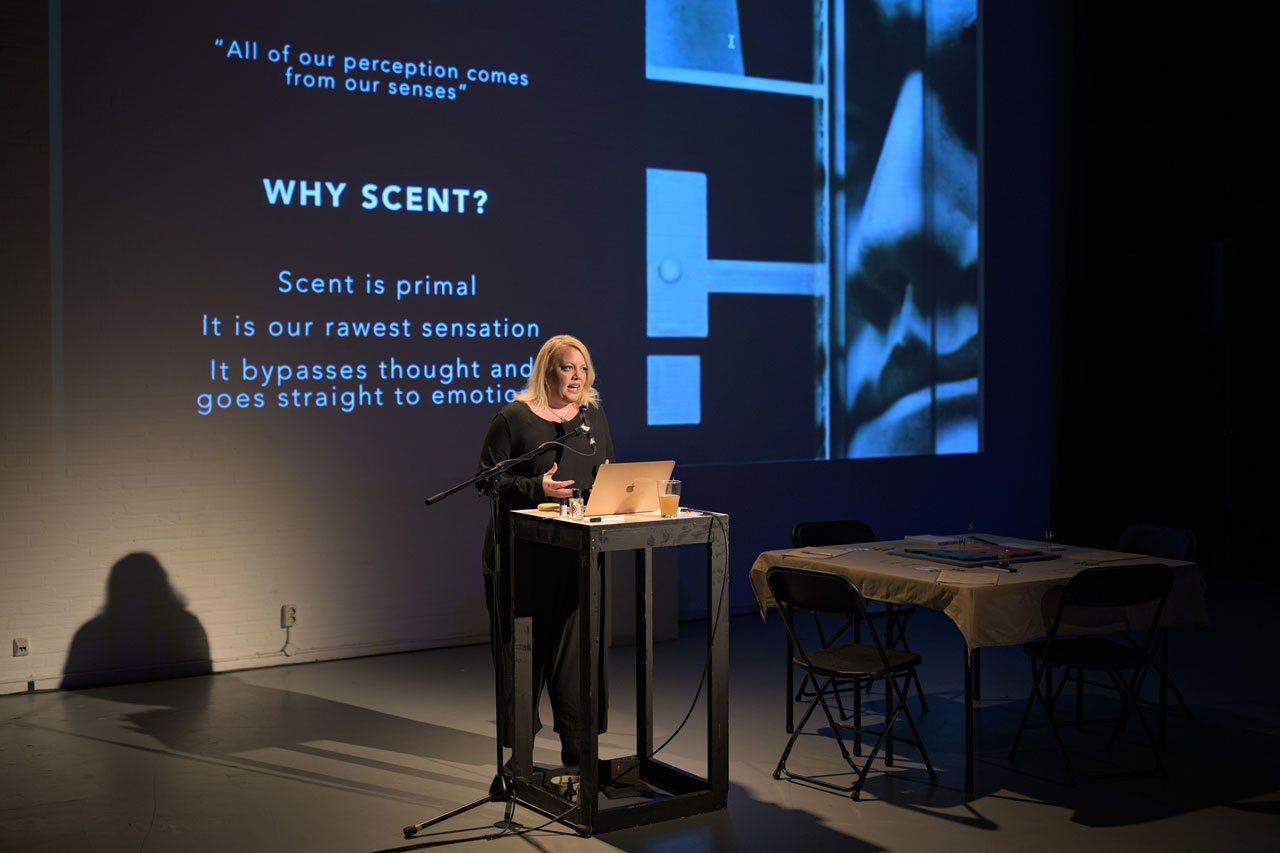
Photography by Pieter Kers