ION’s Kim Shah on the importance of neuroinclusion
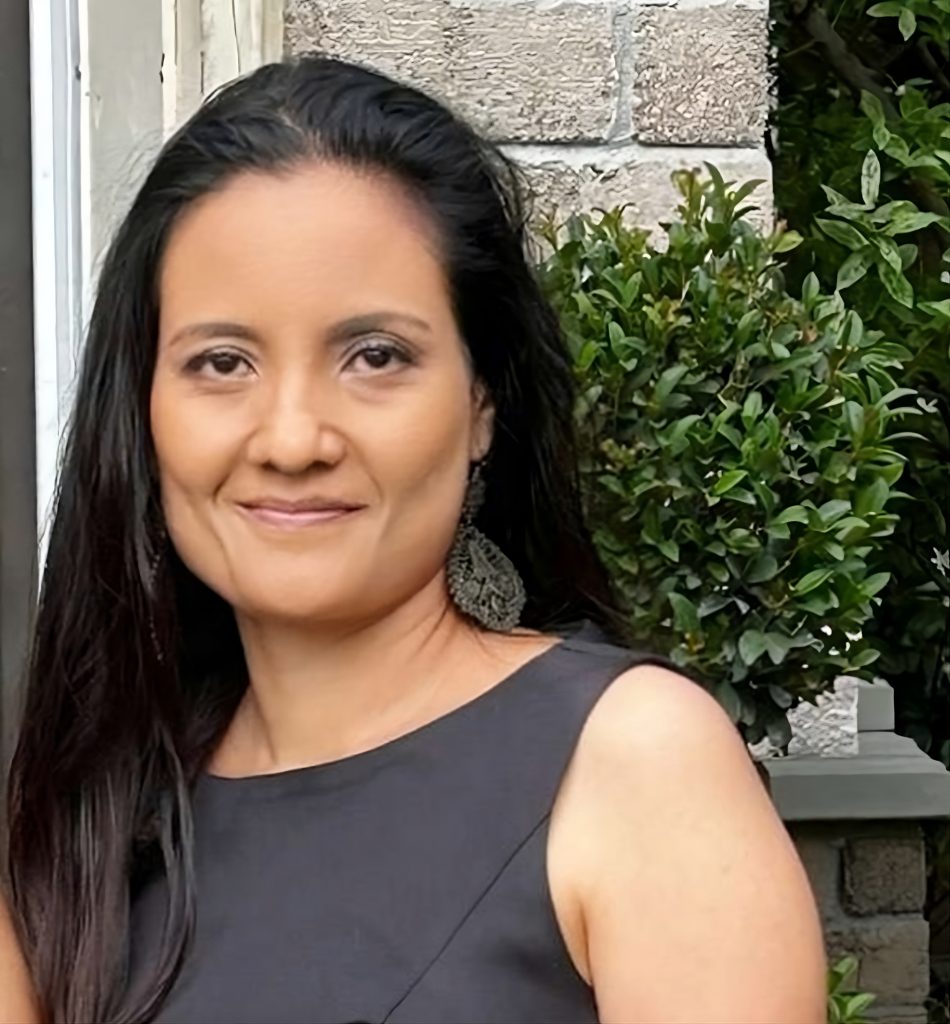
The Institute of Neurodiversity-Canada’s Kim Shah discusses the importance of neuro-
inclusion both nationally and globally, and the neurodivergent leading their own
movement
| “By recognizing the unique contributions of individuals with neurological differences, we’re paving the way for a more inclusive and prosperous society for everyone. Doesn’t that sound like a future worth striving for?” -Kim Shah of the Institute of Neurodiversity |
Patricia Lynne Duffy is the interviewer
PLD: Tell me about your role working with the Institute of Neurodiversity.
KS: I’m the Canadian Country Lead for the Institute of Neurodiversity (ION) Canada and
part of the Global Steering Committee. Since our launch in February 2023, we’ve aimed
to be the voice of neurodiversity in Canada.
ION Canada is really doing some impactful work regarding neurodiversity. It’s not just
about raising awareness; we’re committed to fostering acceptance and breaking down
the stigma surrounding neurodivergent people. Our goal is to improve our quality of life
by changing the systems that currently hold us back.
PLD: As we know, certain neurodivergent conditions including autism, ADHD, and dyslexia have traditionally been pathologized. However, these conditions also carry great gifts and their own way of being in the world. Many of our great innovators such as Bill Gates and Richard Branson have come out as neurodivergent. It is now viewed as essential for those who are neurodivergent (about 20 per cent of the population) to lead their own advocacy movement. Can you say more about this?
KS: What I love about ION’s approach is our commitment to the philosophy of “Nothing about us without us.” We believe in empowering neurominorities to lead our initiatives, ensuring that our society is inclusive and values everyone equally. It’s all about creating a space where everyone has a voice.
PLD: What are some actions ION has taken to promote awareness of neuroinclusion?
KS: In 2023, we participated in a public consultation to advocate for broader corporate governance that includes neurodiversity. We also advocated for neurodivergent individuals to be recognized as a designated group under a federal act in 2024. Our goal is to break down barriers and create more support and opportunities for this community.
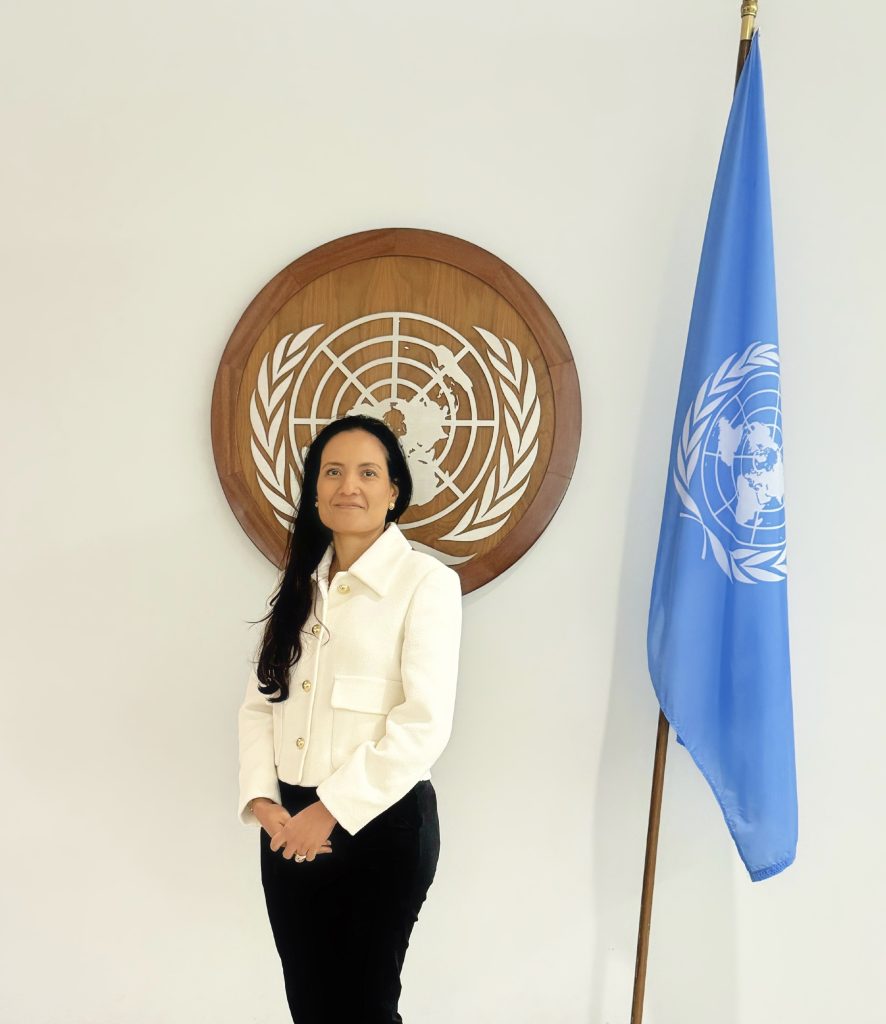
On top of that, under ION’s leadership, our organization is really stepping up on the global stage. We’re becoming an associated Civil Society Organization with the United Nations and working with their Civil Society Unit. We’re also joining the Taskforce of Inequality and Social-Related Financial Disclosure (TISFD), which is all about guiding businesses and financial institutions on how to report inequality and social issues more effectively. It’s impressive to be expanding our influence through these partnerships and striving for more equitable and socially responsible practices worldwide
PLD: Through ION, you have contributed to promoting awareness and advancing the status of neurodivergent people. Tell me about the importance of these activities.
KS: As the voice for neurodiversity in Canada, ION aims to focus on building social capital. You might be wondering, what exactly is “social capital”? Essentially, the value we get from our social networks and relationships plays a huge role in breaking down the systemic barriers to neuroinclusion. We’re passionate about making meaningful change by weaving neurodiversity principles into governance frameworks across key areas like healthcare, employment, and education. This effort aligns with several of the United Nations Sustainable Development Goals (SDGs), which is exciting.
PLD: Before we go further, perhaps we need to clarify: what is meant by the terms, “neuroinclusion”, “neurodiversity”, and “neurominority”? Can you elaborate a bit for those who may be new to exploring the concept?
KS: “Neurodiversity” is an inclusive concept acknowledging variations in human cognitive and sensory experiences as natural and significant aspects of biodiversity. Neurodivergence—terms such as “neurodistinct”, “neurominority”, “neurospicy”, and “neurodivergent” may also be used depending on cultural and regional contexts or individual preferences—refer to individuals with cognitive and sensory differences. We experience the world and process information in unique ways.
PLD: People in the movement seem to have varying ideas of the best terms to use to describe the concept of neurodiversity. What term do you prefer and why?
KS: I identify more with the term “neurodivergent” than “neurominority.” However, I recognize that “neurominority” is often preferred globally. This preference exists because the concepts of “neuro” and “minority” are understood in nearly all languages, making translation more straightforward.
PLD: Last fall, you attended the Summit of the Future at United Nations headquarters in New York during the period of the General Assembly. How are the UN Sustainable Development Goals* (also called the “Global Goals”: the 17 goals adopted by the 2015 UN General Assembly to promote development in key areas) relevant to issues of neurominorities? Perhaps provide an example or two.
KS: The UN Sustainable Development Goals (SDGs) play a key role in supporting neurominorities. For instance, SDG # 8 (“Decent Work and Economic Growth”) supports full and productive jobs for everyone, including neurominorities. ION collaborates with different organizations to promote meaningful and inclusive job opportunities for neurominorities. We do this through public discussions, advocacy, awareness campaigns, and sharing successful employment stories from lived experiences. We also provide tools and knowledge to create training for inclusive workplace practices. This helps increase access to neurominority talent and supports economic growth.
Similarly, SDG 10 (“Reduced Inequalities”) is all about reducing inequalities and promoting the inclusion of all, regardless of identity or status. We engage with groups to raise awareness about neurodiversity and advocate for changes to alleviate the disparities, such as attitudinal barriers neurominorities face.
PLD: Some say there is a need for an additional Sustainable Development Goal, considering the 17 SDGs were created 10 years ago, and a lot has changed since then. Do you agree with the need for an 18th goal? If so, what should it focus on?
KS: You know, that’s an insightful question! I’ve been thinking a lot about the SDGs lately, especially how we need a new one to tackle the challenges we face today. With all that’s going on in the world, it’s clear we need a guiding principle to help us navigate this complex crisis. Imagine if there was an SDG focused on safeguarding human agency through arts, culture, and philosophy while also embracing neurodiversity. That could be a total game-changer.
PLD: Are you familiar with other groups that are pushing for an 18th goal?
KS: I came across the World Cities Culture Forum, which is pushing for something similar, to be the 18th SDG after 2030, mainly emphasizing arts and culture. But I think there’s so much more we could explore. This new SDG could really provide a robust framework for societies dealing with economic and political instability. It would shine a light on cultural resilience, artistic expression, and the importance of philosophical inquiry, all while valuing neurominority perspectives.
PLD: The things you’ve mentioned: cultural resilience, artistic expression, and individual/community perspectives preserve the human element during society’s huge technological advances. Do you see this preservation as necessary for societal advancement?
KS: Ultimately, as we push for technological progress and sustainable development, we really can’t lose sight of the essential aspects of human experience. We need to remember our vulnerability and humanity—those qualities that enrich our societies.
And let’s not forget about the power of diverse cultural expressions—they’re vital for social cohesion and empowerment. They help communities navigate uncertainty and come together, especially in tough times.
PLD: How did you become involved in the neurodiversity movement? Do you, yourself identify as being neurodivergent?
KS: My journey into the neurodiversity movement kicked off after I was diagnosed with ADHD and dyslexia. I faced quite a few challenges at work, and those experiences pushed me to learn more about myself and find a community that really understood what I was going through. At that time, I felt like there wasn’t much support out there.
That’s when I met Charlotte Valeur, the founder of ION, and we hit it off. Along with Dan Shepherdson, an inspiring Canadian entrepreneur, we decided to start the Canadian Chapter of ION. Our mission? To change how systems think about neurodiversity and create a culture that embraces it.
PLD: Is there anything else you’d like to add about neurominorities or neurodiversity?
KS: The idea of neurodiversity is changing how we think about how people process information and experience the world. It’s pretty amazing to see how it recognizes that differences in cognition and sensory experiences are completely natural and actually enrich our society.
Embracing neurodiversity can also create economic opportunities and spur social justice. It’s all about building a community where everyone feels valued and supported. By recognizing the unique contributions of individuals with neurological differences, we’re paving the way for a more inclusive and prosperous society for everyone. Doesn’t that sound like a future worth striving for?
See the Institute of Neurodiversity in Canada (ION) website:
* See the 17 Sustainable Development Goals (the “Global Goals”):
Patricia Lynne Duffy is the author of the now classic, Blue Cats and Chartreuse Kittens:
how synesthetes color their worlds, the first book by a synesthete about synesthesia. An
audio version of the book with research updates, music by synesthete-composers, and
an “Afterword” is recently out. Available from Audible She also contributed a chapter,
“Synesthesia and Literature” to the Oxford Handbook of Synesthesia. See her
website, bluecats.info . Duffy worked for many years at the United Nations.
