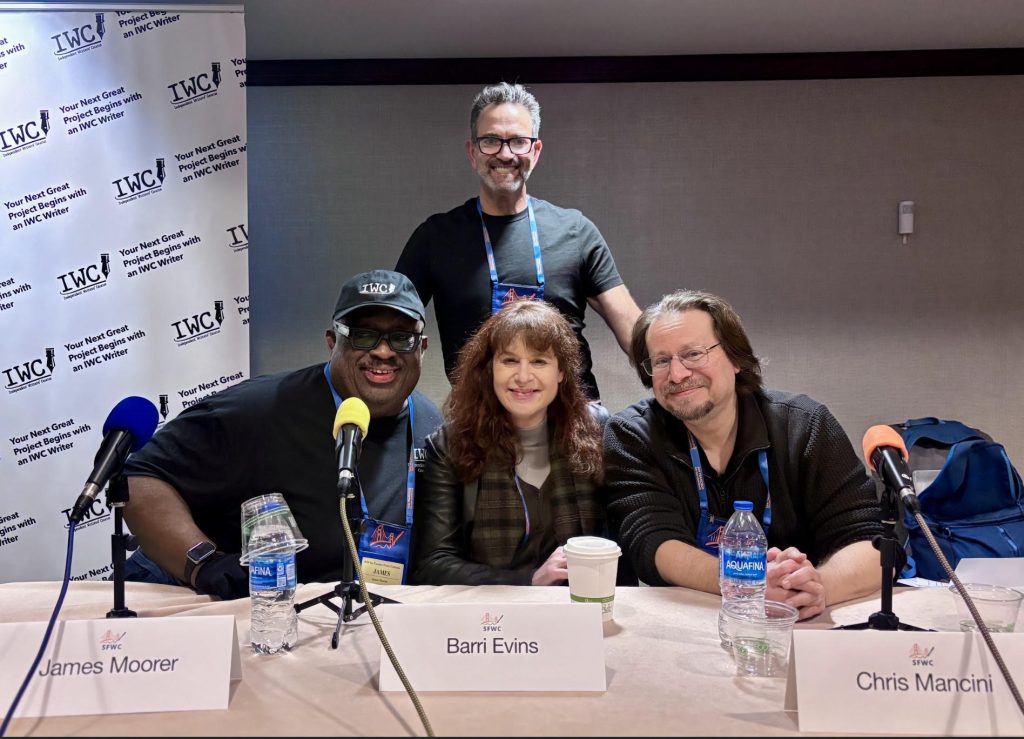
For a city known for technology startups, venture capital, and sourdough bowls of clam chowder, San Francisco can still find a way to remind people that storytelling matters. Earlier this year, hundreds of writers gathered in downtown San Francisco for the San Francisco Writers Conference, a four-day event dedicated to the craft, business, and community of writing.
I attended the conference this past February after receiving an invitation. And I wasn’t entirely sure what to expect. What I found was a mix of aspiring writers, industry professionals, and seasoned authors, all sharing the same goal: figuring out how to turn stories into something real.
Arriving in San Francisco also brought a wave of nostalgia. I had lived in the Bay Area from 2007 to 2011, and walking through the city again felt strangely familiar. The skyline looked bigger, and the energy felt different. Maybe the city had changed, or maybe I had. Either way, I came back to find out.
Inside the Hyatt Regency, where the conference was held, the mood shifted immediately. The lobby buzzed with conversations about publishing, story structure, and film rights. Writers lined the hallways reviewing notes, rehearsing pitches to agents, or typing away on laptops after leaving panels that had sparked new ideas.
After checking in and picking up my media badge, I headed to my first session. The schedule revealed just how broad the conference was: workshops and panels covered everything from poetry and novels to screenwriting and storytelling that tackles social change.
With my background in film, I started with the screenwriting sessions. That’s where I met Paul Zeidman, who leads the conference’s Writing for Hollywood track. Zeidman has been involved with the conference since 2019 and focuses on helping writers understand the unique demands of writing for film.
“The panels used to focus more on the business side than the craft,” Zeidman explained. “I wanted to make the information easier to follow and more accessible. A large percentage of the Writing for Hollywood track attendees haven’t written a script, or even seen one before.”
For many attendees, he said, the process can be eye-opening.
“Screenwriting is an entirely different type of writing,” Zeidman said. “Especially if you’re used to writing detailed prose and long descriptions. Ultimately, the goal is to help writers learn how to help themselves.”
That philosophy seemed to define the conference as a whole. Industry professionals from across publishing and entertainment were present, including agents, managers, editors, and experienced writers offering advice on everything from pitching to marketing.
Panel member, director, and producer Dianna Ippolito said the collaborative atmosphere was one of the event’s most inspiring aspects.
“Being in a room full of people who care so deeply about storytelling was energizing,” Ippolito said. “It’s inspiring to spend time with writers who are so committed to getting the story right and who share your love of the craft.”
The conference also created direct opportunities for writers to present their ideas. Pitch sessions allowed attendees to sit face-to-face with industry professionals and share their projects.
James Moore, a writer, producer, and manager who participated in the sessions, described the event as a rare opportunity for emerging writers.
“The San Francisco Writers Conference should be a must for any author looking to create a powerful start to their writing journey,” Moore said. “It brings hopeful writers up close and personal with creative executives and mentors eager to nurture the next great novelist. We listened to pitches from a dozen writers and requested all of their stories. That kind of opportunity is exciting to see.”
By the end of the weekend, walking out of the conference and back onto the streets of San Francisco, I realized something about the city. It may be known today for technology and innovation, but creativity still has a place here. Events like the San Francisco Writers Conference remind people that stories and the people who write them still shape the cultural identity of the city.
And for many of the writers who gathered there this February, the conference was only the beginning. Maybe that was the energy I felt returning to San Francisco after all these years: not just nostalgia, but the sense that new stories and new beginnings are always waiting to be written.
About Author:
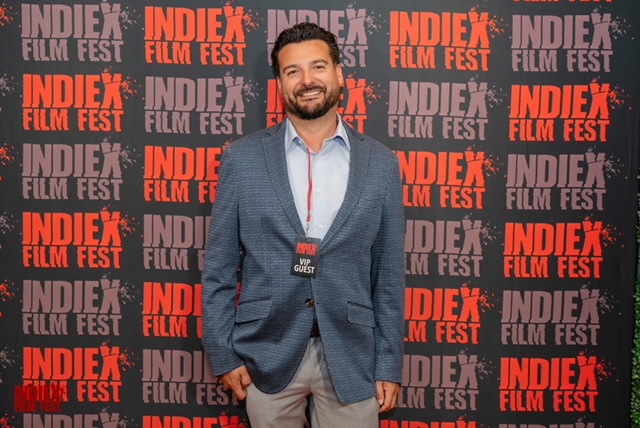
E Hughes Martinez is an award-winning filmmaker and former Vice President of Development at Eclectic Pictures, where he collaborated with industry veterans Avi Lerner and Heidi Jo Markel to develop major studio features like Olympus Has Fallen and The Hitman’s Wife’s Bodyguard. Renowned for his visual intensity and socially conscious narratives, Martinez has transitioned from high-level executive work to acclaimed directing; his short film The Method won Best Experimental Short in New York, while his latest project, The 4th Branch, has garnered multiple honors including Best Narrative Short and Best Director at the CalFilm and Independent Short Film Awards. A prolific writer who has collaborated with Oscar winner Nick Vallelonga and had work optioned by Millennium Entertainment, he continues to explore the complexities of truth, power, and identity through a cinematic lens.
Connect with E Hughes Martinez:
Instagram: @ehughesmartinez
LinkedIn: E Hughes Martinez